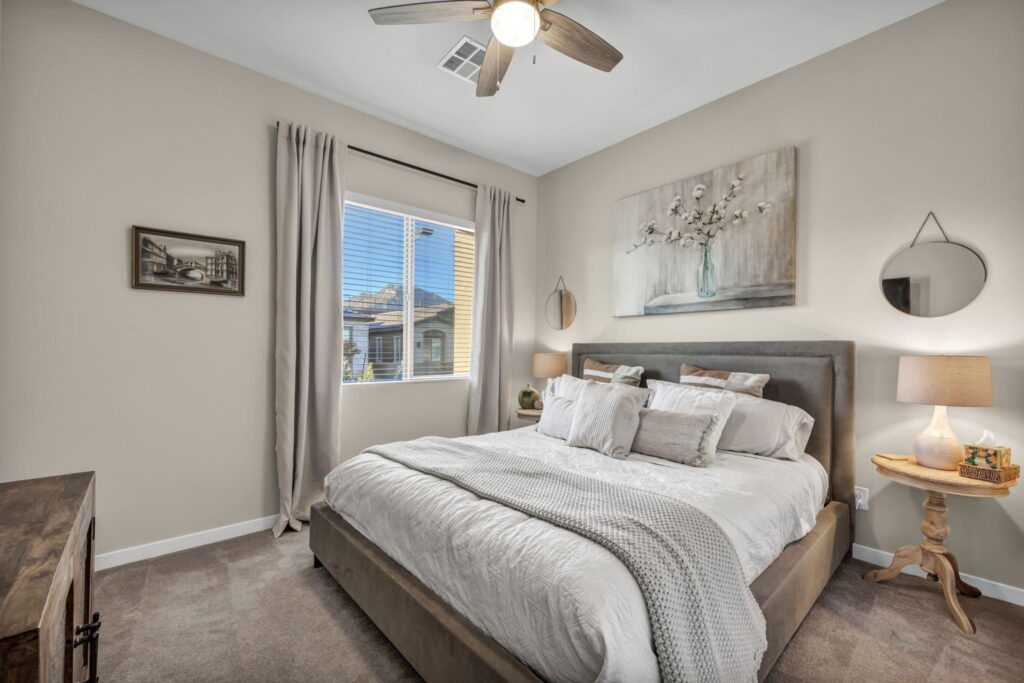
Can Virtual Staging Photography Help Sell a House?
Can Virtual Staging Photography Help Sell a House? The answer is yes, it can support the selling process by helping buyers visualize empty rooms, understand furniture placement, and develop a clearer impression of a property’s potential. However, virtual staging alone cannot guarantee a faster sale or a higher selling price.
Today’s real estate buyers often explore properties online before deciding which homes deserve an in-person visit. During that process, listing photographs play an important role in attracting attention and communicating valuable property details.
Empty rooms can sometimes feel difficult to evaluate. Without furniture, buyers may struggle to understand room dimensions, identify possible layouts, or imagine how their belongings would fit.
Virtual staging photography addresses these challenges by combining professional property images with realistic digital furnishings.
At TourDSpace Productions, a Nevada-based photography and videography production company serving Las Vegas, Reno–Tahoe, Cleveland, Sacramento, Pittsburgh, and Denver, we understand the importance of accurate, engaging property visuals.
In this guide, we’ll examine whether virtual staging helps sell homes, what research suggests about staging, how much virtual staging costs, and when it makes sense to include it in your real estate marketing strategy.
Can Virtual Staging Photography Help Sell a House Faster?
Virtual staging photography can help create a more informative and visually appealing online listing, particularly when a property is vacant.
However, the relationship between virtual staging and the actual speed of a home sale is more complicated than it may initially appear.
A home’s selling timeline depends on several factors, including its asking price, location, condition, buyer demand, financing conditions, and overall marketing strategy.
Virtual staging influences the presentation of the home rather than these underlying market conditions.
What Does Real Estate Research Say About Staging?
According to the National Association of REALTORS® 2025 Profile of Home Staging, 83% of buyers’ agents reported that staging made it easier for buyers to visualize a property as their future home.
The same research found that 49% of sellers’ agents observed a reduction in the time staged homes spent on the market.
Additionally, 29% of agents reported that staging was associated with offers between 1% and 10% higher.
These results are useful, but they require careful interpretation.
The survey examined home staging broadly, including different staging approaches. It does not establish that virtual staging alone produces the same outcomes.
The findings also reflect agents’ reported experiences, rather than a controlled experiment proving that staging caused faster sales or higher offers.
For sellers, the practical takeaway is that thoughtful property presentation may help buyers evaluate homes more positively, although individual results vary.
Source: National Association of REALTORS®, 2025 Profile of Home Staging.
Why Professional Photography Still Matters
Digital furniture cannot compensate for poorly photographed interiors.
Before adding virtual furnishings, a property should be captured using suitable camera angles, balanced lighting, and accurate perspectives.
Professional Real Estate Photography provides the foundation for creating credible virtual staging images that accurately represent the home.
How Does Virtual Staging Photography Help Buyers Visualize a Home?
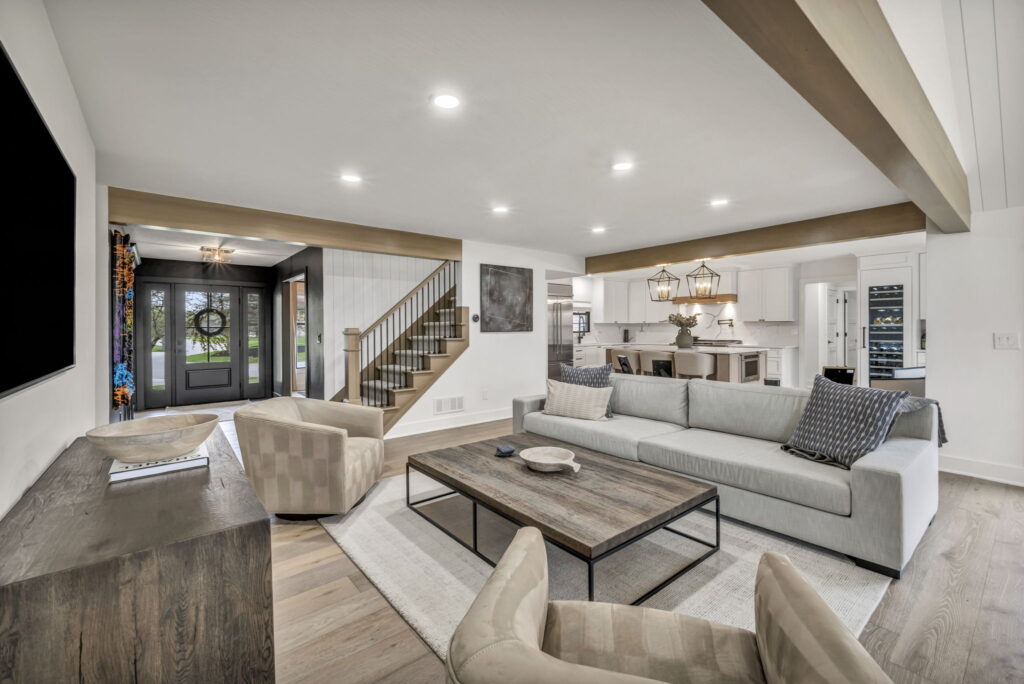
The main purpose of virtual staging is to make empty spaces easier to understand.
A vacant living room might have excellent dimensions, attractive windows, and modern flooring, yet buyers may still struggle to determine where furniture should go.
Virtual staging adds visual context.
For example, a digitally furnished living room can illustrate one possible arrangement for seating, a television, and a coffee table.
Similarly, an empty bedroom can be presented with a realistically sized bed and nightstands.
When executed properly, this technique helps buyers evaluate the potential uses of rooms without altering the underlying property.
1. It Gives Empty Rooms a Clear Purpose
Unfurnished rooms can appear visually similar, even when they serve different functions.
A spare bedroom, home office, and formal dining room may all look like empty rectangular spaces.
Digital furniture can demonstrate the intended purpose of each room.
However, staging should not suggest that an area is legally approved for a particular use when that has not been established.
2. It Helps Buyers Understand Furniture Placement
Without familiar objects, it may be difficult to judge whether a sofa, dining table, or bed would fit comfortably.
Virtual staging offers an example of how furniture could be positioned.
The furniture should be correctly scaled and should not create a misleading impression of room dimensions.
3. It Creates a More Complete Listing Presentation
A listing featuring only empty rooms may provide accurate information, but buyers can still find it difficult to picture everyday life in the property.
Virtually furnished photographs can complement original images by illustrating functional arrangements.
Providing both versions gives buyers a more complete picture.
4. It Supports Remote Property Searches
Buyers relocating from another city or state often depend on listing photographs before arranging travel.
For these buyers, clear and detailed property images are particularly valuable.
Virtual staging can add useful context to vacant property photography, while accurate floor plans and interactive tours provide additional spatial information.
TourDSpace offers Virtual Staging Services as an addition to property photography, helping real estate professionals illustrate possible furniture arrangements.
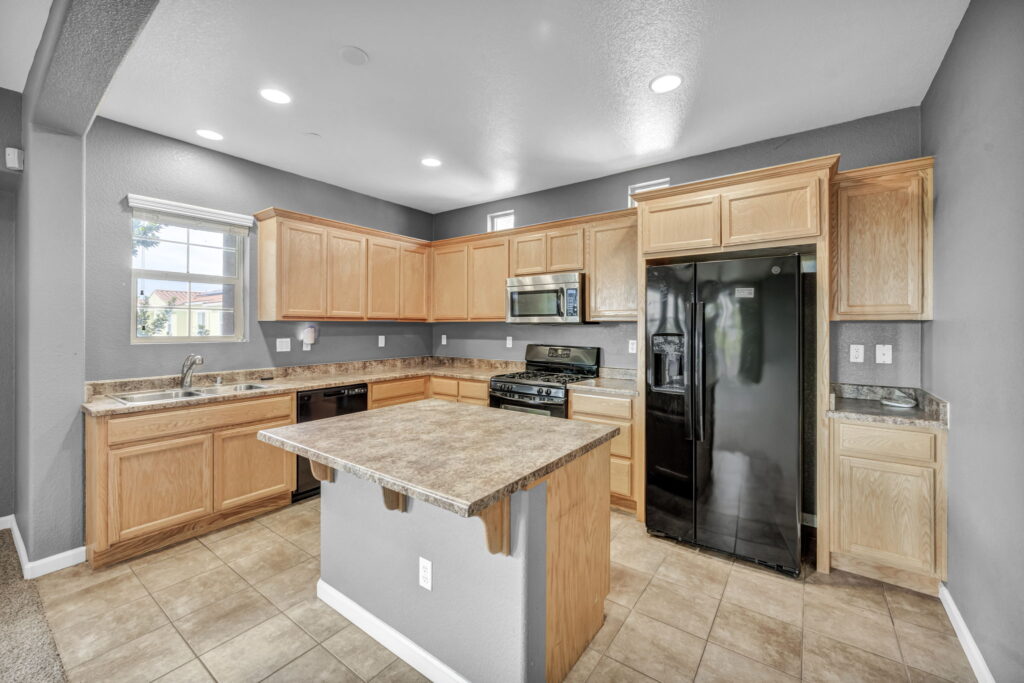
Does Virtual Staging Help Sell Homes or Just Attract Attention?
This distinction is important for agents deciding how to allocate their marketing budgets.
Generating online attention is not the same thing as completing a successful property sale.
Virtual staging may encourage interested buyers to explore photographs more carefully or request additional details.
However, whether those buyers schedule showings, submit offers, or complete purchases depends on many factors beyond the listing images.
From Listing Views to Buyer Inquiries
A strong property marketing strategy follows several stages:
- Buyers discover a property listing.
- Listing photographs communicate its features.
- Buyers evaluate the location, condition, layout, and price.
- Interested buyers request more information or schedule a showing.
- Qualified buyers may submit offers.
- Negotiations, inspections, financing, and other requirements determine whether the sale closes.
Virtual staging is primarily useful during the early presentation and evaluation stages.
It can help answer questions about the potential functionality of empty spaces.
It cannot independently resolve concerns about price, neighborhood, property defects, or financing.
How to Measure the Value of Virtual Staging
Real estate agents can evaluate staging as part of a broader property marketing process.
Useful metrics include:
- Listing views and engagement.
- Buyer inquiries.
- Requests for property showings.
- Feedback about room size and functionality.
- Marketing costs per listing.
- Time on market, considered alongside comparable properties.
- Buyer comments about the accuracy of listing photographs.
Comparisons should account for the fact that different homes and market conditions can produce very different outcomes.
The objective is to understand whether staged photographs add useful marketing value, not assume that every sale resulted from virtual staging.
When Is Virtual Staging Photography Most Effective?
Can Virtual Staging Photography Help Sell a House in every situation? Not necessarily.
The value depends on the property’s condition, available furnishings, and how easily buyers can understand its layout.
Vacant Homes
Vacant houses are particularly suitable for digital staging.
With no existing furniture, photographers can capture clear room views and staging designers have space to illustrate appropriate furniture layouts.
For homeowners preparing an empty property, selecting the right photographs is essential.
High-quality source images should show the room accurately, including walls, flooring, windows, and important architectural details.
Newly Constructed Properties
New construction homes may be marketed before owners or tenants have moved in.
Virtual staging can demonstrate possible uses for empty rooms without requiring full physical furnishing.
This can be especially useful for open-concept spaces where living, dining, and working areas are not immediately obvious.
Investment Properties
Real estate investors may need to market several vacant properties while controlling presentation costs.
Virtual staging allows selected rooms to be furnished digitally without arranging furniture delivery and removal.
It is important, however, that the staging reflects the actual property’s condition and does not hide necessary repairs.
Luxury Homes
Luxury properties can benefit from carefully designed digital furnishing concepts that complement architectural features.
The furniture must match the property’s character and proportions.
Overly decorative or unrealistic staging may distract from the finishes, views, and architectural details that buyers are interested in seeing.
Properties with Unusual Floor Plans
Some homes contain rooms with unconventional shapes or open layouts that are difficult to explain through still photography.
Virtual staging can illustrate how those areas might function.
For properties with complex layouts, Real Estate Floor Plans provide valuable supporting information by showing actual room relationships and dimensions.
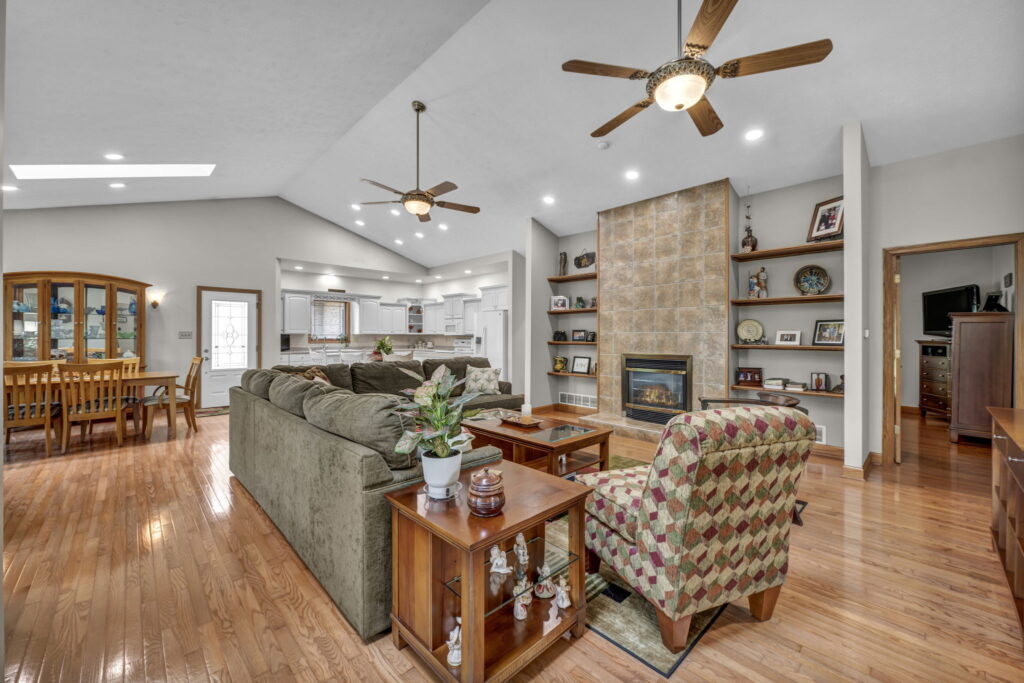
Virtual Staging Photography vs. Traditional Home Staging
Both physical staging and virtual staging aim to help buyers understand a property’s potential, but they work differently.
Traditional staging involves placing real furniture and accessories inside the property.
Virtual staging adds digital furniture to photographs while leaving the physical home unchanged.
| Feature | Virtual Staging | Traditional Staging |
|---|---|---|
| Furniture | Digital | Physical |
| Property preparation | Clean photography-ready rooms | Furniture delivery and arrangement |
| In-person experience | Home remains physically unchanged | Buyers see furnished rooms |
| Design flexibility | Digital layouts can be revised | Changes may require moving furniture |
| Typical expense | Often charged per image | May include consultation, rental, installation, and removal |
| Main limitation | Furnishings are not present during showings | Requires physical coordination |
Virtual staging can be particularly practical when a property is already vacant and the primary objective is improving online presentation.
Traditional staging may be more appropriate when in-person viewing experiences are a major part of the marketing plan.
Some sellers choose to combine both approaches.
For example, they may physically stage the main living area while using virtual furniture to demonstrate possible arrangements in empty secondary rooms.
How Much Does It Cost to Virtually Stage a Home for Sale?
The cost of virtual home staging depends on the provider, number of photographs, design complexity, and level of editing required.
As an approximate U.S. market reference, professional virtual staging may cost around $20–$75 per image, although automated tools can be less expensive and premium custom projects may cost more.
These figures are general estimates, not TourDSpace’s published prices.
Example Virtual Staging Budget
Consider a vacant home with four rooms that could benefit from digital furnishings.
If the provider charges $25 per staged image, staging four photographs would cost approximately $100.
At $50 per image, the same project would cost $200.
These are illustrative calculations. Actual prices depend on the service package and project requirements.
What Affects Virtual Staging Pricing?
Several factors can affect the cost:
- Number of photographs selected.
- Room size and layout complexity.
- Furniture customization.
- Digital editing and shadow correction.
- Requested revisions.
- Image resolution and output requirements.
- Delivery schedule.
Some projects may also require new professional property photographs before digital staging can begin.
Is Virtual Staging Worth the Investment?
The value of virtual staging depends on what the seller wants to achieve.
For a vacant home with several important empty rooms, digitally adding realistic furnishings may improve the usefulness of listing photographs.
However, agents should compare staging costs with the property’s overall marketing budget and prioritize essential services such as accurate photography.
To obtain current pricing for your property, discuss the selected images and project requirements with TourDSpace through its Virtual Staging Services page.
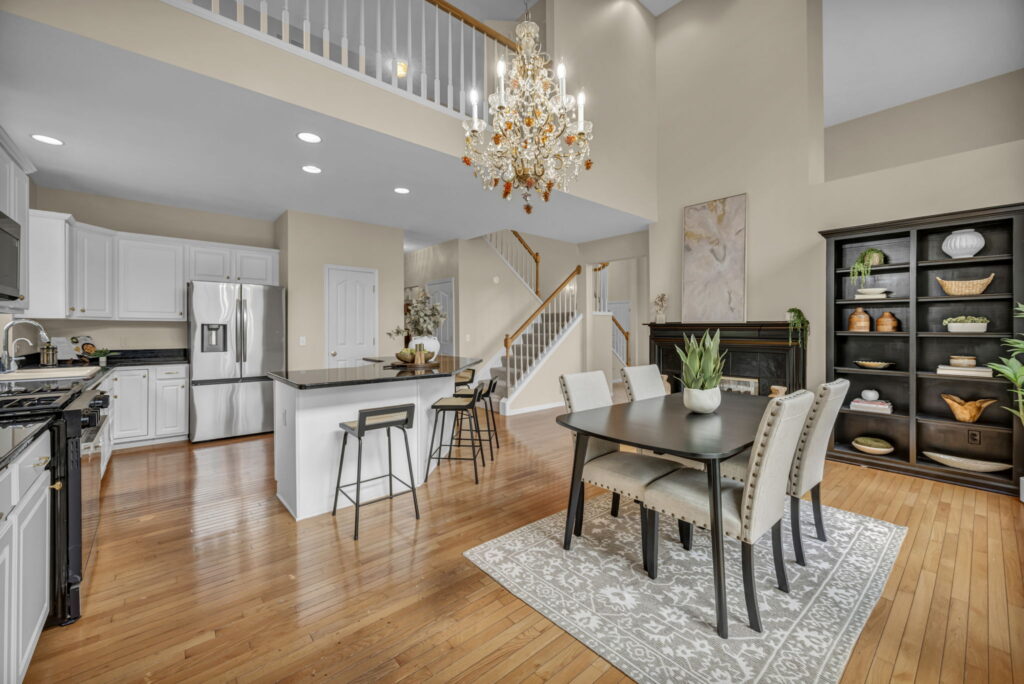
Which Rooms Should You Virtually Stage to Help Sell a House?
Rather than staging every room, focus on spaces that have the greatest influence on how buyers understand the home.
Living Room
The living room is often a priority because it serves as a central gathering area.
Virtual furniture can help demonstrate seating arrangements and clarify the relationship between windows, entrances, fireplaces, and adjacent rooms.
Primary Bedroom
Empty primary bedrooms may appear smaller or less inviting without furniture for scale.
A realistically sized bed can illustrate a possible arrangement.
Avoid using undersized digital furniture to make the room appear larger.
Dining Room
Dining areas are particularly useful candidates in homes with open-concept layouts.
Adding a digital dining table can demonstrate the space’s purpose and its connection to nearby rooms.
Home Office or Bonus Room
Some buyers may be interested in flexible areas that accommodate different activities.
Virtual staging can show a possible home office or reading space, provided the concept remains consistent with the actual room.
Rooms That May Not Need Virtual Staging
Kitchens, bathrooms, and laundry rooms already contain fixtures that help explain their functions.
In many cases, accurate photography is sufficient.
For a practical approach to choosing the most important rooms, review TourDSpace’s Real Estate Photography Checklist for Sellers and Agents.
Do Virtual Tours Help Sell Houses?
Virtual tours and virtual staging are different services, although both can support online real estate marketing.
Virtual staging adds digital furnishings to photographs.
A virtual tour allows viewers to explore a property’s interior and understand how its spaces connect.
While virtual staging focuses on presenting potential furniture arrangements, a virtual tour focuses on spatial exploration.
Benefits of Virtual Tours for Home Buyers
Interactive tours can help potential buyers:
- Navigate between rooms remotely.
- Understand the overall property layout.
- Explore architectural features.
- Examine room relationships.
- Decide whether to arrange an in-person showing.
Virtual tours can be especially useful for buyers considering relocation or properties located far from their current homes.
Can Virtual Staging and Virtual Tours Work Together?
Yes.
For example, a listing may include original photographs, selected virtually staged images, an interactive tour, and a floor plan.
Each element communicates different information.
Professional 3D Virtual Tours can help buyers understand the property’s layout, while virtually staged photographs illustrate possible furniture arrangements.
The combination can provide a more comprehensive online viewing experience, but neither service guarantees a property sale.
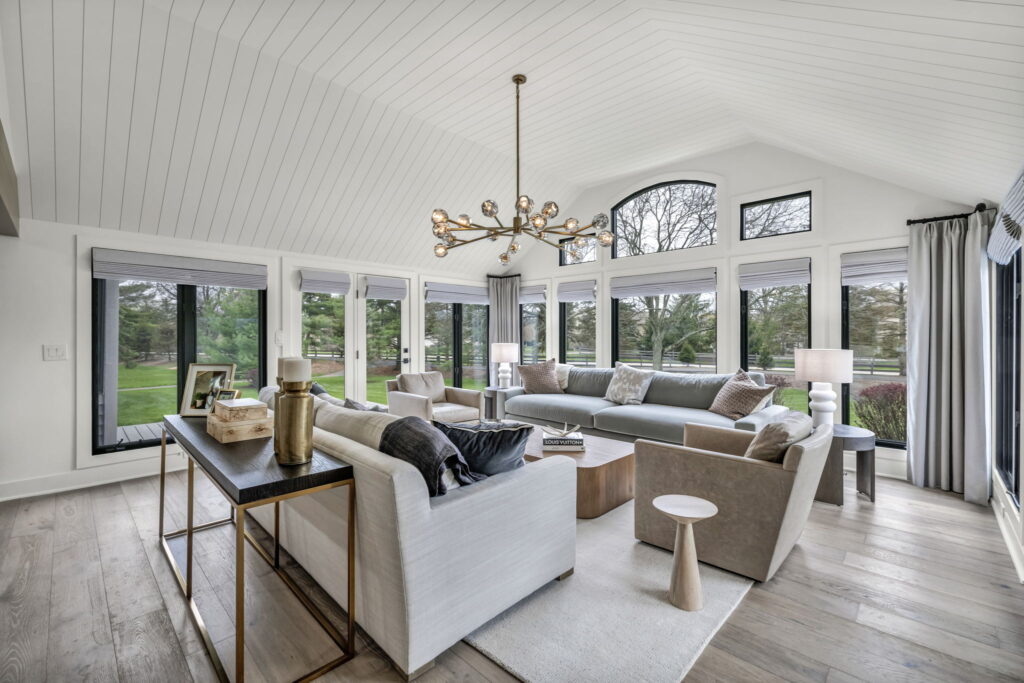
How Professional Photography Improves Virtual Staging Results
Virtual staging relies on the quality of the original images.
If the photographs have poor lighting, unnatural perspectives, or significant distortion, digital furniture may appear less realistic.
Professional photographers use composition and exposure techniques to document the property accurately.
Balanced Natural Lighting
Properly balanced lighting helps showcase flooring, walls, windows, and room details.
It also makes digitally added furniture easier to integrate naturally.
Appropriate Camera Angles
A suitable camera position helps demonstrate room dimensions without exaggeration.
Photographers should avoid extreme wide-angle distortion that makes furniture proportions difficult to judge.
Accurate Colors and Architectural Details
Color accuracy matters because digital furniture should complement the actual finishes of the property.
The final image should preserve permanent features, including windows, doors, built-in cabinets, and flooring.
Consistent Photographic Presentation
Listing galleries should follow a recognizable visual style.
Consistent editing, accurate perspectives, and logical room sequences can make a property easier to understand.
For additional preparation advice, read How to Prepare a Home for Real Estate Photography.
How to Combine Virtual Staging with Other Property Marketing Services
Can Virtual Staging Photography Help Sell a House more effectively when supported by additional visual marketing services?
It can contribute to a clearer listing presentation when combined with formats that answer different buyer questions.
Real Estate Videography
Professional video helps buyers understand room connections and movement throughout a property.
TourDSpace offers Real Estate Videography to complement still photographs and provide a more continuous visual presentation.
Drone Photography
Aerial imagery can illustrate the relationship between a property and its outdoor surroundings.
Professional Drone Photography is particularly useful when a home’s lot, outdoor amenities, or surrounding landscape are important selling features.
Twilight Photography
Twilight exterior images can highlight architectural lighting and outdoor features that are less noticeable during daylight.
TourDSpace’s Twilight Photography can complement interior photography when the property is well suited to evening exterior images.
Floor Plans and 3D Tours
Floor plans help buyers understand room relationships, while interactive tours enable remote exploration.
Together with professional photographs and selected virtual staging, these formats can create a more informative property listing.
The goal is not to use every available service for every house.
Instead, choose visual marketing tools that address the property’s specific presentation needs.
Virtual Staging Photography for Home Sellers Across TourDSpace Service Areas
TourDSpace Productions is based in Nevada and serves several major U.S. real estate markets.
Although the benefits of professional property presentation are broadly applicable, different locations have distinct housing styles and photographic considerations.
Las Vegas, Nevada
Las Vegas listings may include modern residences, luxury properties, vacant investment homes, and open-concept interiors.
For empty properties, virtual staging can help demonstrate possible furnishing arrangements while professional photography captures architectural details and bright natural lighting.
Explore our article about Virtual Staging for Las Vegas Real Estate for more market-specific insights.
Reno–Tahoe, Nevada
Reno–Tahoe homes may feature mountain views, distinctive interior materials, or spacious living areas.
Professional photography should emphasize these existing characteristics.
Virtual staging can help show furniture possibilities without distracting from the property’s actual architecture and surroundings.
Cleveland, Ohio
Cleveland includes a variety of housing types, from historic homes to updated residential properties.
When photographing vacant interiors, carefully selected virtual furniture can help clarify room dimensions and functionality.
Read our guide to Virtual Staging for Cleveland Real Estate Listings for additional local context.
Sacramento, California
Sacramento listings can include suburban family homes, investment properties, and recently completed developments.
Professional listing photographs combined with realistic virtual staging can help buyers understand how unfurnished living spaces might function.
Pittsburgh, Pennsylvania
Pittsburgh properties may contain multi-level layouts, distinctive architectural details, and flexible interior spaces.
Floor plans, professional photography, and carefully selected virtual staging can work together to explain these features.
Denver, Colorado
Denver residential listings may feature open living areas, contemporary finishes, and scenic views.
Professional photography can document these details accurately, while virtual furnishings can illustrate suitable interior arrangements.
Across all six service areas, the purpose of virtual staging remains consistent: support clear, credible property marketing that helps potential buyers understand the home.

Common Virtual Staging Mistakes That Can Hurt Buyer Trust
Poorly executed virtual staging can create unrealistic expectations.
Avoiding the following mistakes helps maintain a professional listing presentation.
Using Furniture That Does Not Fit the Room
Digital furniture must reflect actual room dimensions.
A large sofa should not be inserted into a space where it could not realistically fit.
Hiding Property Defects
Virtual staging should not conceal significant damage, unfinished surfaces, or important property limitations.
The original condition must remain accurately represented.
Creating Inconsistent Lighting
Unnatural shadows or mismatched lighting can make a virtually staged image look artificial.
The digital elements should match the photograph’s original lighting conditions.
Failing to Disclose Digital Changes
Listing photographs should clearly identify virtually staged images.
Agents should also check their applicable MLS rules and advertising requirements.
Using Too Many Staged Photographs
Not every room needs digital furnishings.
Sometimes a smaller collection of carefully staged images, supported by original photographs, provides a clearer representation than an entire gallery filled with artificial furniture.
Frequently Asked Questions About Virtual Staging Photography
1. Does virtual staging help sell homes?
Virtual staging can help buyers visualize empty rooms and understand possible furniture arrangements. It may improve the presentation of online listings, but there is no guarantee that it will shorten selling time or increase the final sale price. Pricing, property condition, location, and market demand remain important factors.
2. Does staging a home help it sell?
Home staging may improve the way buyers perceive a property. The National Association of REALTORS® 2025 staging survey found that many agents observed improved buyer visualization and reduced time on market for staged properties. However, these findings concern staging broadly and do not prove that every staged home will sell faster.
3. Do virtual tours help sell houses?
Virtual tours can help buyers explore properties remotely and understand how rooms connect. They may support the decision to request an in-person showing, especially for relocation buyers. Their influence on a final sale depends on the property and the overall marketing strategy.
4. How much does it cost to virtually stage a home for sale?
Professional virtual staging often costs approximately $20–$75 per image, depending on the provider and project requirements. Automated tools may cost less, while custom editing may cost more. TourDSpace pricing should be confirmed directly before booking.
5. Can Virtual Staging Photography Help Sell a House without physical furniture?
Yes. Virtual staging is particularly useful for vacant homes because it adds digital furniture to photographs without installing physical furnishings. Buyers should still have access to accurate original images so they understand the property’s actual condition.
6. Is virtual staging better than traditional staging?
Neither method is universally better. Virtual staging is useful for online presentation and avoids physical furniture installation, while traditional staging allows buyers to experience furnished rooms during showings. The appropriate approach depends on the property and marketing budget.
7. Should agents include both empty and virtually staged photos?
Including original and virtually staged photographs is a transparent approach. It allows buyers to see the property’s existing condition alongside one possible furniture arrangement. Digitally modified images should be clearly labeled.
8. Which rooms should be virtually staged first?
Living rooms, primary bedrooms, dining areas, and flexible spaces are common priorities because furniture can help communicate their dimensions and intended functions. Select rooms based on the specific property rather than staging every space.
9. Can virtual staging make a room look bigger?
Furniture arrangements may help buyers understand a room’s proportions, but staging should not exaggerate the actual dimensions. Unrealistically small digital furniture and excessive image distortion can create misleading impressions.
10. Is professional photography necessary for virtual staging?
Professional photography is strongly recommended because high-quality images provide better lighting, resolution, perspective, and color accuracy. These characteristics make digital furnishings easier to integrate realistically.
11. Can virtual staging be used for luxury property listings?
Yes. Virtual staging can illustrate furnishing arrangements in luxury properties, particularly those with large vacant living areas. The furniture style and image quality should complement the property’s architecture and finish quality.
12. Does virtual staging guarantee more property showings?
No. Virtual staging may make selected listing images more informative, but showing requests depend on many factors, including asking price, location, buyer demand, and property characteristics.
Can Virtual Staging Photography Help Sell a House? Final Thoughts
Can Virtual Staging Photography Help Sell a House? It can support the selling process by helping potential buyers understand vacant rooms, imagine possible furniture arrangements, and evaluate how a property might suit their needs.
However, professional real estate marketing requires more than attractive images.
Accurate photography, competitive pricing, transparent property information, and a thoughtful listing strategy all contribute to the buyer experience.
Virtual staging is most valuable when it complements strong original photographs rather than attempts to replace or exaggerate them.
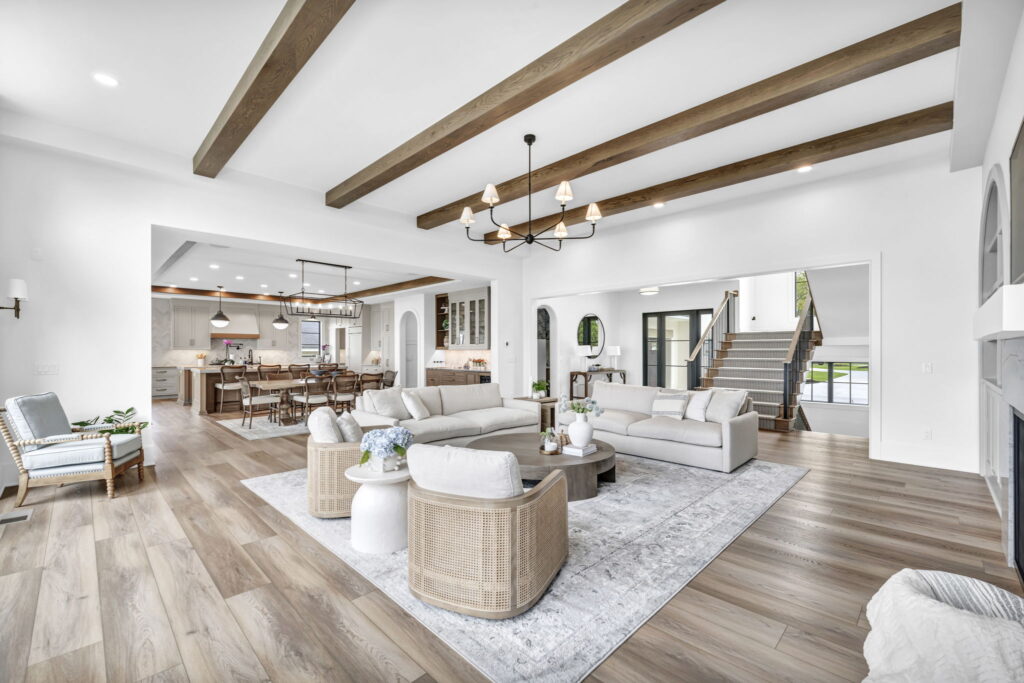
Showcase Your Property with TourDSpace Productions
TourDSpace Productions provides professional real estate photography and videography services designed to help agents, homeowners, and property investors present listings clearly and effectively.
Our services include real estate photography, virtual staging, drone photography, real estate videography, 3D virtual tours, floor plans, and twilight photography.
Based in Nevada, TourDSpace serves Las Vegas, Reno–Tahoe, Cleveland, Sacramento, Pittsburgh, and Denver.
Whether you’re preparing a vacant investment property, luxury residence, newly constructed home, or traditional family house, our team can help you select visual marketing services suited to your property’s features.
Visit TourDSpace Productions to explore our photography and property marketing services, or review our Virtual Staging Services to discuss digitally furnished listing photographs.
Las Vegas Office: 10175 Spring Mountain Road #1038, Las Vegas, NV 89117.
Give potential buyers a clearer picture of your property with professional photography and thoughtfully designed virtual staging from TourDSpace Productions.