How to Photograph a Vacant House for Sale: 12 Professional Tips
Learning how to photograph a vacant house for sale is essential for homeowners, real estate agents, and property investors who want to create attractive listings. Although empty properties offer a clean, distraction-free environment, photographing vacant rooms presents unique challenges. Without furniture, rooms can appear smaller, colder, or less inviting than they actually are.
Professional vacant home listing photos should highlight natural lighting, architectural details, room dimensions, and the overall layout. With the right camera techniques, thoughtful preparation, and effective visual marketing, even an entirely empty property can make a strong impression on potential buyers.
At TourDSpace Productions, we understand how professional real estate photography helps showcase properties across Las Vegas and Reno–Tahoe, Nevada; Cleveland, Ohio; Sacramento, California; Pittsburgh, Pennsylvania; and Denver, Colorado.
In this guide, we’ll explain how to photograph a vacant house for sale, which mistakes to avoid, and how to make empty spaces more appealing to buyers.
Why Is Photographing a Vacant House Different from a Furnished Home?
Empty house real estate photography requires a different approach than photographing furnished properties. While occupied homes contain furniture and decorative elements that communicate scale and functionality, vacant properties leave buyers to imagine how each room could be used.
For example, an empty bedroom might appear unusually narrow in photographs because there is no bed to provide a visual reference. Similarly, an open-concept living area may look confusing when buyers cannot distinguish between dining and sitting areas.
However, vacant homes also offer several advantages for photographers and sellers:
- Architectural details remain clearly visible.
- Natural light can reach more areas without furniture blocking it.
- Buyers can evaluate flooring, windows, walls, and finishes.
- Clean spaces allow greater flexibility when choosing camera angles.
- Virtual staging can illustrate potential furniture arrangements without physically furnishing the property.
The goal is not simply to make rooms appear larger. It is to communicate their actual proportions, features, and connections accurately.
Using professional real estate photography can help sellers create consistent, high-quality images that present an empty property clearly and professionally.
How to Photograph a Vacant House for Sale: 12 Essential Tips
Understanding how to photograph a vacant house for sale involves more than taking wide-angle pictures of empty rooms. Successful property photography combines preparation, camera positioning, exposure control, and careful image selection.
The following 12 tips can help homeowners and real estate professionals produce stronger vacant home listing photos.
1. Clean Every Room Before Taking Pictures
An empty property is not necessarily a clean property.
Without furniture or decorations, dust, scratches, dirty baseboards, and marks on walls become more noticeable in photographs.
Before scheduling a photoshoot:
- Vacuum and mop all floors.
- Clean windows, mirrors, and glass doors.
- Remove dust from shelves, counters, and baseboards.
- Wipe kitchen cabinets and countertops.
- Clean bathroom fixtures and shower doors.
- Remove construction materials and leftover personal belongings.
- Check walls for visible marks or unfinished repairs.
Pay special attention to corners, floors, and reflective surfaces. Even small imperfections can attract attention when there are no furnishings to distract viewers.
For additional preparation guidance, explore our real estate photography preparation guide.
2. Choose the Best Time of Day for Natural Lighting
Lighting plays a major role in determining how attractive a vacant property appears online.
When researching how to photograph a vacant house for sale, one of the most important considerations is selecting a photography time that complements the home’s orientation.
Natural daylight generally helps empty rooms feel brighter and more welcoming.
For the best results:
- Open blinds and curtains to maximize daylight.
- Avoid shooting directly into intense sunlight when possible.
- Look for balanced illumination throughout the room.
- Schedule photographs according to the direction of the windows.
- Consider additional lighting when natural light is insufficient.
For Las Vegas and Reno–Tahoe properties, strong sunlight may create significant differences between bright windows and shaded interiors.
In Cleveland, Pittsburgh, and Denver, changing weather conditions and seasonal daylight can also influence the ideal shooting schedule.
There is no single perfect time for every home. The right choice depends on window placement, weather, landscaping, and the appearance of the property.
Learn more in our article about the best time of day for real estate photos.
3. Use a Wide-Angle Lens Without Distorting Room Dimensions
A wide-angle lens allows photographers to capture more of a room in a single photograph.
This is particularly useful when photographing empty bedrooms, compact living spaces, and narrow hallways.
However, excessively wide lenses can distort walls and make rooms appear larger or longer than they really are.
Professional photographers often use wide-angle focal lengths appropriate for interior photography, such as approximately 16–24mm on a full-frame camera, adjusting according to room size.
For effective empty house real estate photography:
- Avoid extreme lens distortion.
- Keep the camera level.
- Maintain straight vertical lines.
- Include enough floor and ceiling to establish scale.
- Capture alternative angles when one image cannot explain the room.
The objective is to communicate space accurately rather than create unrealistic expectations.
Buyers should recognize the same room when they arrive for an in-person showing.
4. Photograph Empty Rooms from Strategic Corners
Camera placement can significantly influence the appearance of an empty property.
Photographing a room directly toward a flat wall may make the space look smaller or less interesting.
Instead, position the camera near a doorway or corner to reveal multiple walls, windows, and architectural elements.
Consider these composition techniques:
- Photograph from a corner when it provides a useful overview.
- Include windows or doors that demonstrate natural light.
- Capture the connection between neighboring rooms.
- Avoid unnecessary ceiling or floor space.
- Make sure important architectural features remain visible.
A thoughtful camera angle can help potential buyers understand how a room is arranged without relying on furniture.
For open floor plans, use several complementary angles rather than trying to capture the entire space in one distorted photograph.
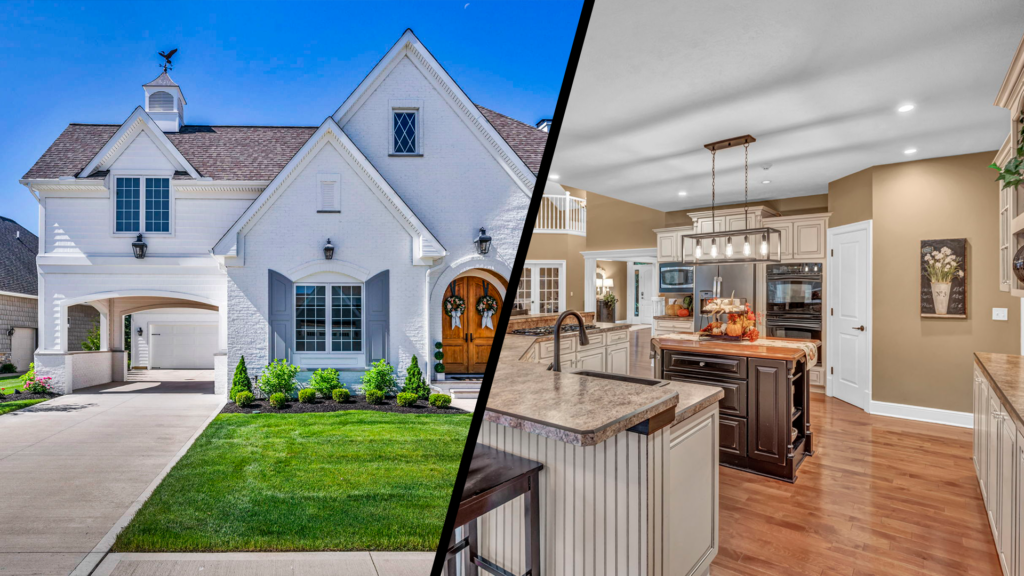
5. Keep the Camera at a Consistent Height
One of the most overlooked vacant property photography tips is maintaining consistent camera height.
Photographs taken from extremely high positions can create unusual perspectives, while shooting too low may emphasize the floor more than the room itself.
For many residential interiors, positioning the camera approximately 4–5 feet above the floor provides a practical starting point.
The appropriate height may vary depending on the room, window placement, and built-in features.
When photographing kitchens, for example, the photographer may adjust the camera slightly to show countertops and cabinetry.
Consistency helps create a professional listing gallery where rooms feel connected rather than photographed from unrelated perspectives.
Using a tripod can also improve image sharpness, maintain alignment, and make exposure adjustments easier.
6. Balance Bright Windows and Dark Interiors
One challenge of photographing vacant homes is managing the difference between indoor and outdoor brightness.
Large windows may appear completely white when the camera exposes for the interior. Alternatively, the room may appear dark when exposure is adjusted for the outdoor view.
Professional real estate photography techniques can help balance these areas.
Depending on the property, photographers may use:
- Exposure bracketing to capture multiple brightness levels.
- HDR processing to preserve detail in bright and dark areas.
- Off-camera flash to illuminate darker interiors.
- A combination of flash and ambient-light photographs.
- Careful editing to maintain natural-looking colors.
The final photographs should show the room clearly without creating unnatural brightness or exaggerated window views.
This is particularly important for vacant homes with large windows, sliding glass doors, or dramatic outdoor scenery.
7. Highlight Architectural Features and Property Upgrades
A major advantage of photographing a vacant home is the opportunity to emphasize architectural elements.
Without furniture blocking the view, potential buyers can more easily notice materials, finishes, and design features.
Photographers should prioritize elements such as:
- Hardwood or luxury vinyl flooring.
- Vaulted ceilings and exposed beams.
- Fireplaces and built-in shelving.
- Kitchen islands and updated cabinets.
- Large windows and sliding doors.
- Renovated bathrooms.
- Staircases and open-concept layouts.
- Scenic views and outdoor access.
Start with wider photographs that explain the room, then include selected detail shots when they contribute useful information.
Avoid filling the gallery with repetitive images of empty walls or identical corners.
Every photograph should communicate something meaningful about the property.
8. Photograph Each Room with a Clear Purpose
When learning how to photograph a vacant house for sale, remember that every room has a different role in the listing.
A kitchen requires different photographic priorities than a bedroom, hallway, or bathroom.
For living rooms, emphasize windows, seating possibilities, and connections to nearby spaces.
For kitchens, highlight cabinetry, appliances, countertops, and available workspace.
For bedrooms, focus on dimensions, closet access, windows, and the potential arrangement of furniture.
Bathrooms should be photographed to show fixtures, storage, finishes, and overall cleanliness.
For basements, bonus rooms, and home offices, capture features that help buyers understand possible uses without making unsupported claims about permitted room classifications.
A well-planned room-by-room approach produces more informative vacant home listing photos and reduces the need for repetitive images.

9. Consider Virtual Staging for Empty Spaces
One of the most effective ways to enhance vacant home photography is through virtual staging.
Virtual staging digitally adds furniture and decorative elements to existing photographs, helping buyers visualize how an empty room could function.
For example, an empty living room can be presented with a digital sofa, coffee table, and appropriately scaled furnishings.
Similarly, a vacant bedroom can be illustrated with a bed and nightstands to communicate possible furniture placement.
Virtual staging can be especially useful for:
- Unfurnished living rooms.
- Empty primary bedrooms.
- Large open-concept properties.
- Newly constructed homes.
- Investment properties.
- Vacant luxury listings.
However, staging should remain realistic. Digital furniture must match the proportions and perspective of the original photograph.
Images should be clearly identified as virtually staged, and the original photographs should remain available. Digital alterations should not conceal defects or misrepresent permanent property features.
TourDSpace offers virtual staging services to help real estate professionals illustrate the possibilities of vacant interiors.
For location-specific examples, explore our guides to virtual staging for Las Vegas real estate and virtual staging for Cleveland listings.
10. Capture the Exterior and Surrounding Property
A vacant home listing should showcase more than its interior rooms.
Exterior photography helps potential buyers understand the property’s condition, entrance, landscaping, and outdoor spaces.
Before taking exterior photographs:
- Remove vehicles from the driveway when possible.
- Clear trash and unnecessary objects.
- Mow the lawn and tidy landscaping.
- Clean the entrance and walkways.
- Arrange outdoor furniture if available.
- Check exterior lights and visible fixtures.
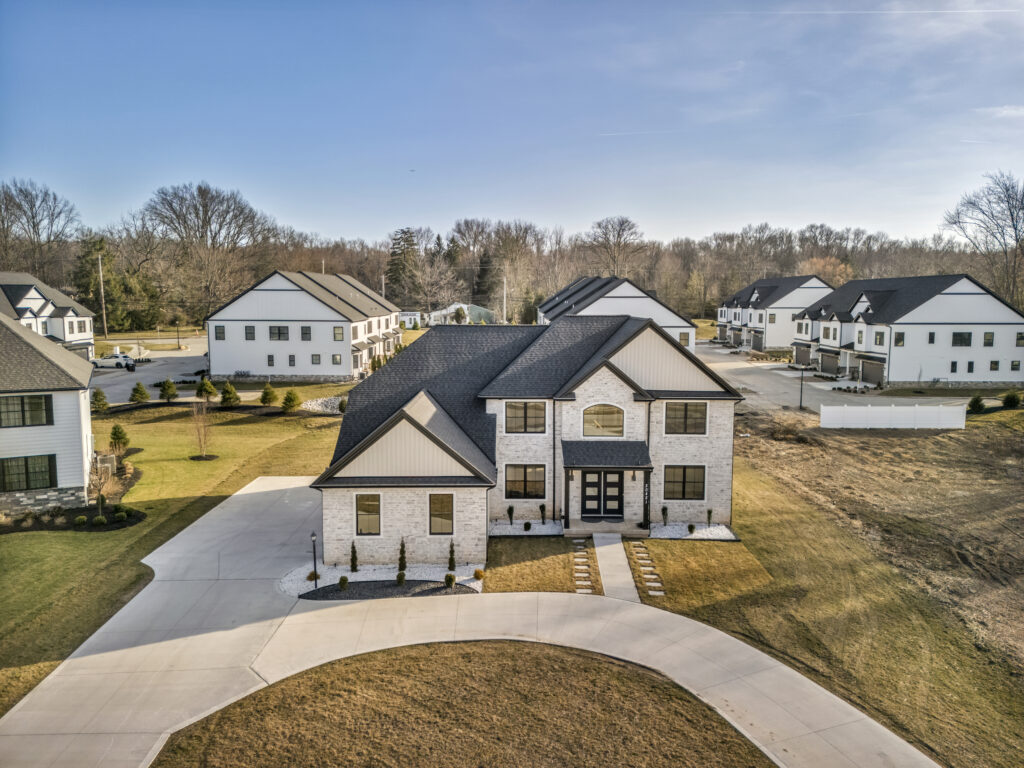
For properties with larger lots, distinctive architecture, or desirable surroundings, aerial images can add helpful context.
Professional drone photography can illustrate the property’s layout, outdoor amenities, and relationship to nearby features where legally permitted.
For properties with attractive exterior lighting, twilight photography may provide another compelling perspective.
These additional views should complement the property rather than exaggerate its features or location.
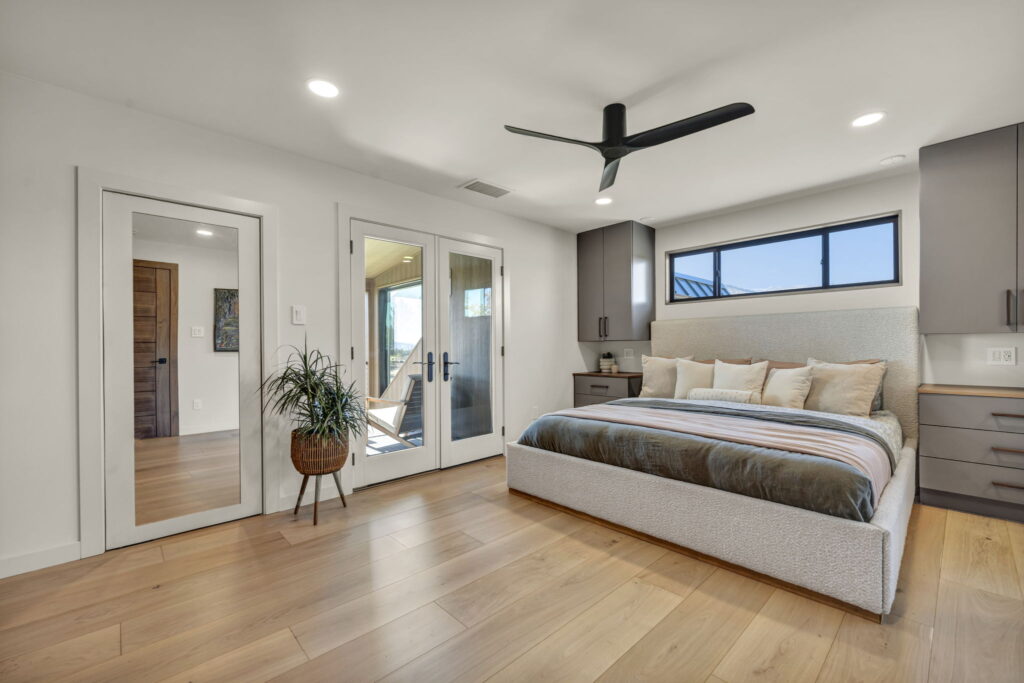
11. Use Video and 3D Tours to Explain the Floor Plan
Still photographs are valuable, but sometimes they cannot fully explain how rooms connect.
This challenge becomes more noticeable in vacant homes because furniture no longer provides visual landmarks.
A listing gallery might show a living room, kitchen, and dining area separately without making their relationship clear.
Adding video, interactive tours, or floor plans can help address that issue.
Professional real estate videography can demonstrate movement between spaces and provide a more continuous view of the home.
Similarly, 3D virtual tours allow viewers to explore interior areas remotely and better understand room connections.
Accurate real estate floor plans provide another useful reference, particularly for multi-story properties or homes with unusual layouts.
Combining these formats can help buyers assess whether a property meets their needs before scheduling an in-person visit.
12. Edit Photos Professionally Without Misrepresenting the Property
The final step in how to photograph a vacant house for sale involves selecting and editing the images.
Professional editing can improve exposure, correct color balance, and produce a consistent gallery.
Useful adjustments may include:
- Straightening vertical and horizontal lines.
- Correcting lens distortion.
- Balancing white tones and interior lighting.
- Improving exposure in naturally dark areas.
- Adjusting contrast without exaggerating finishes.
- Cropping images for a clean composition.
However, editing should not mislead prospective buyers.
Avoid digitally removing significant property defects, changing permanent features, or making rooms appear substantially different from their actual condition.
If virtual furniture or other conceptual modifications are included, disclose them clearly.
Accurate photographs help establish realistic expectations and support trust throughout the buying process.
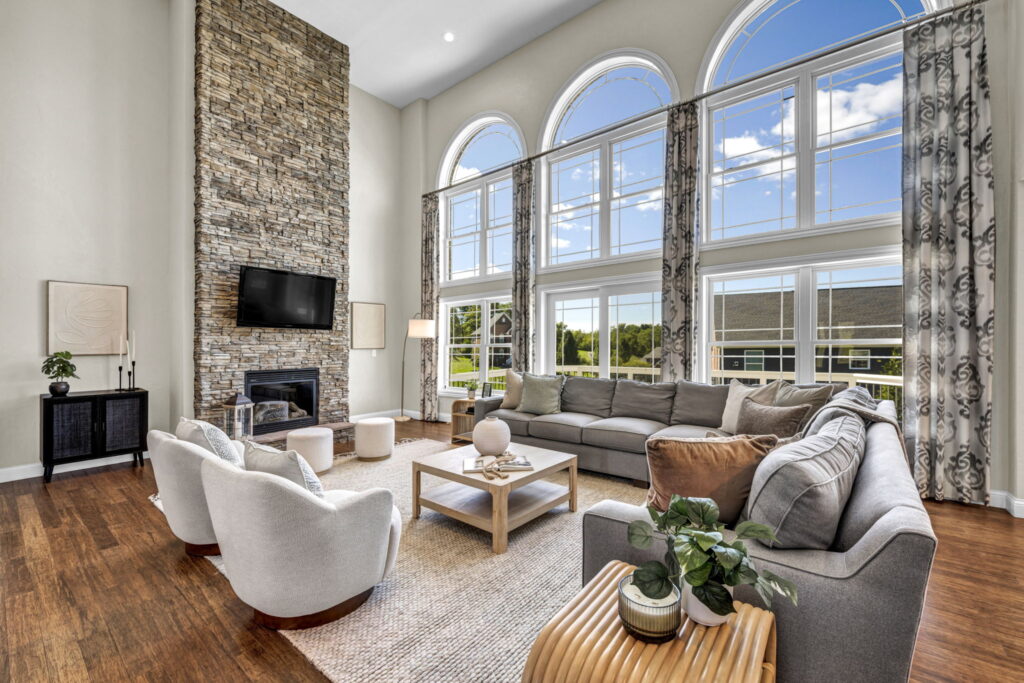
Should You Photograph a Vacant House Empty or Stage It First?
One common question among real estate agents is whether to photograph a completely empty property or add furniture before listing it.
Both approaches can work, depending on the property’s characteristics, marketing budget, and intended buyers.
| Photography Option | Advantages | Considerations |
|---|---|---|
| Empty home photography | Shows architectural details and actual room conditions | Buyers may struggle to visualize room functions |
| Physical staging | Provides real furniture and lifestyle context | Requires furniture, setup, and ongoing arrangements |
| Virtual staging | Illustrates potential furniture placement without physical installation | Requires realistic editing and clear disclosure |
| Empty photos with selected virtual staging | Combines accurate property views with furnishing concepts | Needs consistent photography and image labeling |
For many vacant properties, a practical strategy is to capture high-quality empty-room photographs first, then virtually stage selected images where additional context would help.
This allows buyers to see both the property’s current condition and one possible furnishing arrangement.
How Many Photos Should You Take of a Vacant House?
There is no universal number of listing photographs appropriate for every property.
The ideal gallery depends on property size, architectural complexity, and the features buyers need to evaluate.
A smaller condo may require fewer photographs than a large multi-level home with several bedrooms and extensive outdoor amenities.
For an ordinary residential listing, a useful photography plan might include:
- A strong front exterior photograph.
- A second exterior perspective.
- Two or three living-area photographs.
- Two or three kitchen and dining photographs.
- One or two useful angles of each bedroom.
- Clear photographs of each bathroom.
- Images of distinctive features or additional living spaces.
- Rear exterior and outdoor amenity photographs.
The goal should be comprehensive coverage without unnecessary repetition.
A coherent sequence helps buyers move naturally through the property, from the exterior entrance to the main living spaces and bedrooms.
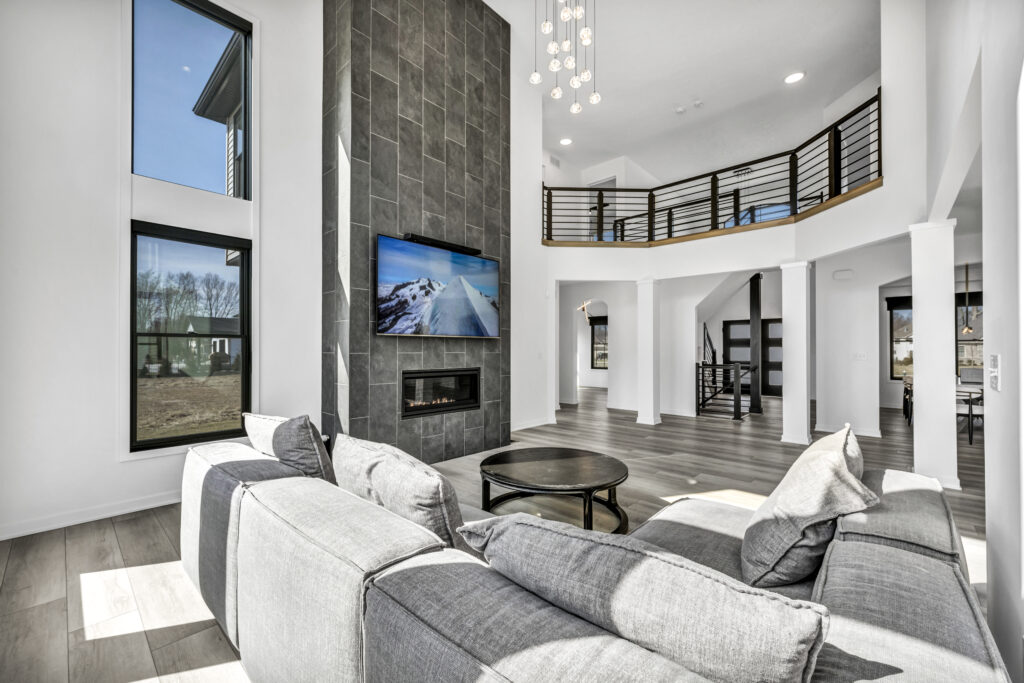
Common Mistakes to Avoid When Photographing an Empty House
Even well-maintained properties can appear less attractive when vacant photography is handled incorrectly.
Some common mistakes include:
Using Too Much Wide-Angle Distortion
A room may initially look spacious in an exaggerated photograph, but the distortion can create unrealistic expectations.
Use camera angles and lenses that preserve believable dimensions.
Taking Photos in Poor Lighting
Dark corners, strong glare, and uneven exposures can make empty properties feel less appealing.
Use appropriate lighting techniques and schedule photography carefully.
Ignoring Small Imperfections
Scuffed walls, dirty flooring, and leftover renovation materials are more noticeable in unfurnished rooms.
Complete necessary cleaning and agreed repairs before the photoshoot.
Photographing Too Many Similar Angles
Multiple photographs of the same empty wall add little information.
Focus on different room features, perspectives, and connections.
Overediting the Final Images
Excessive brightness, artificial colors, and misleading room proportions can undermine buyer confidence.
Keep the finished photographs accurate and natural.
Professional Vacant Home Photography Across TourDSpace Service Areas
TourDSpace Productions is a Nevada-based photography and videography production company serving real estate professionals in several U.S. markets.
Each region presents different architectural styles, seasonal conditions, and property marketing opportunities.
Las Vegas, Nevada
Vacant home photography in Las Vegas may involve bright sunlight, open-concept living areas, modern finishes, and outdoor entertainment spaces.
Balanced exposure, accurate architectural photographs, and attractive exterior images are important considerations for many local listings.
Virtual staging can also help demonstrate the possibilities of vacant living and dining areas.
Reno–Tahoe, Nevada
Properties throughout Reno–Tahoe may feature mountain views, natural materials, distinctive architecture, and expansive outdoor settings.
Professional photography should capture these characteristics while providing accurate interior coverage.
Aerial photographs and carefully planned exterior compositions may provide additional context for suitable properties.
Cleveland, Ohio
Vacant homes in Cleveland can range from historic residences to renovated properties and contemporary developments.
Photography should emphasize room functionality, natural light, architectural character, and improvements.
Virtual staging may be particularly useful for vacant rooms whose dimensions or intended uses are difficult to understand.
Sacramento, California
Sacramento listings can include suburban family homes, investment properties, and contemporary residential developments.
Clear room proportions, natural lighting, and exterior coverage can help buyers assess these properties online.
Pittsburgh, Pennsylvania
Pittsburgh homes often feature varied floor plans, multiple levels, and distinctive architectural details.
For vacant properties, professional photographs paired with floor plans or 3D tours can help buyers understand how different rooms connect.
Denver, Colorado
In Denver, many properties offer large windows, contemporary interiors, and outdoor features.
Carefully balanced interior exposures and accurate photography can help present natural light and architectural details effectively.
Across these service areas, TourDSpace helps real estate professionals develop property imagery suited to their listing goals.
Why Hire a Professional for Empty House Real Estate Photography?
Homeowners may be able to photograph a property with a smartphone, particularly when lighting conditions are favorable.
However, professional photographers bring specialized equipment and experience that can be valuable when capturing vacant interiors.
Professional services can help with:
- Camera positioning and composition.
- Consistent interior lighting.
- Wide-angle photography with controlled distortion.
- Accurate color correction.
- Exterior and architectural coverage.
- High-quality images prepared for listing platforms.
- Coordination with additional property marketing services.
This is particularly important for higher-value properties, unusual layouts, or homes where empty rooms are difficult to communicate in photographs.
Professional vacant home photography is not a guarantee of a faster sale or higher selling price. However, clear and accurate listing images can give potential buyers more useful information when evaluating a property.
Frequently Asked Questions About Photographing a Vacant House
1. How to photograph a vacant house for sale professionally?
To photograph a vacant house for sale, clean the property thoroughly, maximize natural light, use a suitable wide-angle lens, and capture each room from carefully selected positions. Keep walls straight, balance interior and exterior exposure, and highlight architectural details. Professional editing and selected virtual staging can further improve the presentation.
2. What to do in my house before pictures for listing to sell?
Before listing photographs, clean every room, remove clutter, wash windows, repair visible imperfections, and ensure all lighting fixtures are working. Open curtains, clear countertops, prepare outdoor areas, and remove vehicles from the driveway. Make sure the property is accessible and ready for the photographer.
3. Do vacant houses photograph better than furnished houses?
Vacant homes can photograph very well because their architectural details remain visible. However, furnished homes often make it easier for buyers to understand room size and functionality. The better option depends on the property, photography quality, and staging strategy.
4. Should I use virtual staging for a vacant house?
Virtual staging can be helpful when buyers may have difficulty imagining furniture placement or understanding an empty room’s purpose. It is particularly useful for living rooms, bedrooms, dining areas, and open floor plans. Digitally staged images should be labeled clearly and supported by accurate original photographs.
5. What is the best lighting for vacant home photography?
Balanced natural daylight is often ideal for vacant interior photography. Photographers can use exposure bracketing or additional lighting when windows are much brighter than the room. The best time depends on property orientation, weather, and surrounding conditions.
6. Can I photograph an empty house with my phone?
Yes. Modern smartphones can produce useful property photographs in good lighting. However, professional cameras, appropriate lenses, tripods, and controlled lighting typically provide more flexibility for challenging interiors and consistent listing galleries.
7. What camera lens is best for photographing empty rooms?
A wide-angle lens is commonly used for real estate interiors. On a full-frame camera, approximately 16–24mm is a practical range for many spaces, although the ideal focal length depends on the room. Avoid extreme distortion that misrepresents property dimensions.
8. Is it better to photograph a vacant home during the day or at twilight?
Daylight photography is generally more useful for showing interior spaces clearly. Twilight photography can enhance the presentation of exterior architecture and lighting. Some listings benefit from combining daytime interiors with a distinctive twilight exterior photograph.
9. How can I make an empty house look more inviting in listing photos?
Use natural lighting, clean the property thoroughly, emphasize attractive architectural details, and select camera angles that show how rooms connect. Virtual staging can also demonstrate potential furnishing arrangements without adding physical furniture.
10. Do floor plans help sell vacant properties?
Floor plans can help potential buyers understand room arrangements and relationships that may not be obvious from photographs. They are especially useful for vacant homes with multiple floors, open layouts, or unusual room configurations. They support informed decisions but cannot guarantee a sale.
Showcase Your Vacant Property with TourDSpace Productions
Now that you know how to photograph a vacant house for sale, the next step is creating a professional listing presentation that highlights your property’s strengths.
TourDSpace Productions provides real estate photography, videography, drone imagery, virtual staging, 3D tours, floor plans, and twilight photography to help real estate professionals showcase residential properties.
Whether you’re marketing a vacant house in Las Vegas, Reno–Tahoe, Cleveland, Sacramento, Pittsburgh, or Denver, our team can help you plan visual content around your property’s features and listing requirements.
Explore our real estate photography portfolio or contact TourDSpace Productions to discuss your vacant property photography needs.
Las Vegas Office: 10175 Spring Mountain Road #1038, Las Vegas, NV 89117.
Make your next vacant listing easier to explore with professional photography and thoughtfully selected property marketing services from TourDSpace Productions.