Winter Real Estate Photography in Denver, Colorado
Can a home look inviting when the yard is covered in snow and daylight disappears early? Winter real estate photography helps Denver sellers present bright interiors, clear entrances, and outdoor spaces buyers can understand. With thoughtful preparation, seasonal conditions can become part of the property’s appeal. TourDSpace helps agents and homeowners plan a complete visual presentation, from listing photographs to video and virtual tours. Here is how to prepare your Denver, Colorado, property for a winter shoot that feels welcoming and accurately represents the home.
Why Winter Real Estate Photography Needs a Different Plan
A winter listing asks photographs to explain features that summer greenery might normally frame. Buyers need to see the entrance, understand the outdoor layout, and connect the rooms they discover online. Snow, bare trees, and darker afternoons change how that information appears.
Effective winter real estate photography starts with identifying what matters most about the property. A covered entrance, connected living area, or spacious mudroom can deserve more attention than a dormant garden. Share those priorities with TourDSpace before the appointment so the photography brief reflects the home itself.
For local scheduling and service information, explore Denver real estate photography. Confirm coverage for the property’s exact address when requesting your shoot.
Choose the Right Light for Your Denver Property
There is no single best shooting time for every house. An east-facing entrance and a west-facing balcony need different light. Nearby buildings, mature trees, and covered porches also affect how much of the facade remains in shadow.
When planning winter real estate photography, send TourDSpace the address and a quick phone photo of the front elevation. Explain whether the main attraction is the architecture, backyard, interior windows, or an actual view from the property. That gives the scheduling conversation a useful starting point.
Plan Winter Real Estate Photography Around the Facade
Morning may suit an east-facing front, while an afternoon appointment may better illuminate a west-facing exterior. These are starting points, not fixed rules. Check how neighboring structures block the light and whether bright sunlight creates distracting glare.
An overcast day can still produce useful winter listing photos, especially when even lighting makes architectural details easier to see. Ask TourDSpace whether the current conditions support the intended photographs or whether a separate exterior appointment would be more practical.
Prepare the Exterior Before the Photographer Arrives
Preparation makes winter real estate photography more efficient because the photographer can spend the available daylight composing images instead of waiting for cleanup. Assign outdoor tasks before shoot day and check the property again after overnight weather changes.
Use this exterior preparation checklist:
- Clear the main entrance, steps, and walking routes.
- Move vehicles away from the principal exterior view.
- Store shovels, sleds, hoses, and loose equipment.
- Remove fallen branches and visible litter.
- Clean the front door and accessible exterior glass.
- Make house numbers visible.
- Arrange outdoor furniture neatly where conditions allow.
- Keep the route between the home and garage accessible.
Tell TourDSpace if any area remains inaccessible. A photograph should help buyers understand the property without requiring anyone to cross unsafe surfaces or conceal maintenance concerns.
Snow Property Photography That Keeps the Home Visible
Fresh snow can simplify a busy yard, but too much foreground snow can overwhelm the house. In snow property photography, the building should remain the main subject. Include enough context to show how the entrance, driveway, and outdoor areas connect.
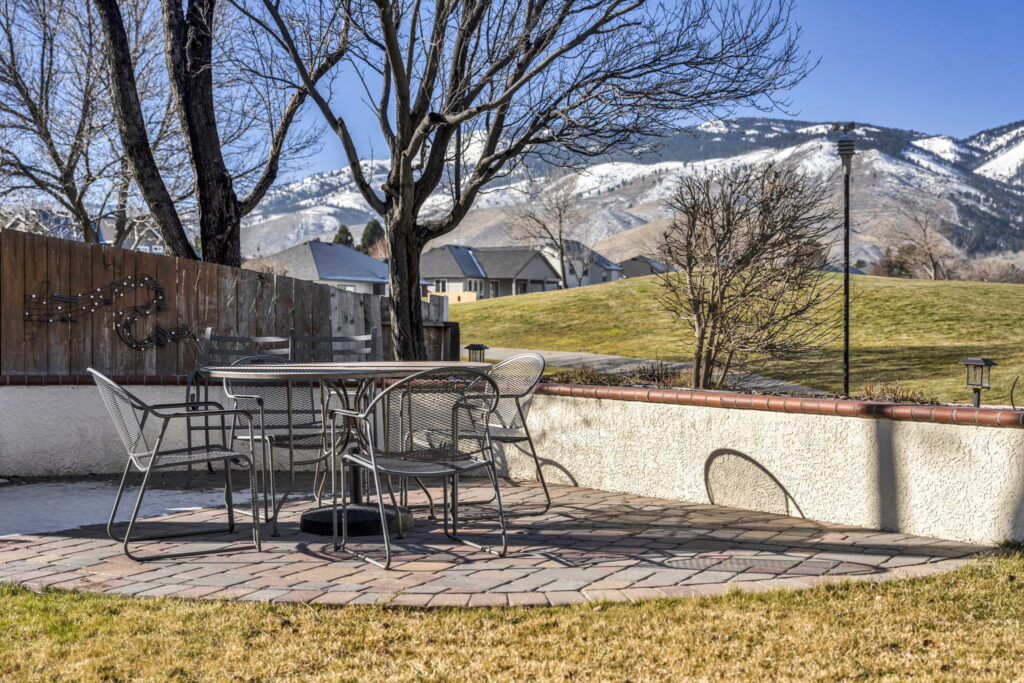
For winter real estate photography in Denver, useful exterior views might include a front elevation, an angled approach, and a backyard image showing the relationship between the house and patio. Do not rely on one attractive snowy picture to explain every outdoor feature.
Discuss priorities with TourDSpace if snow hides a deck, garden, or landscaping feature. A current photograph paired with an accurately labeled earlier seasonal image can provide more information than an edited image that invents what lies beneath the snow.
Winter Real Estate Photography Techniques for Natural Results
The strongest winter real estate photography techniques help viewers see the home clearly without making it look artificial. Bright snow beside shaded siding, for example, creates a different exposure challenge from a living room facing large windows.
Ask to review the real estate photography portfolio when discussing the visual style with TourDSpace. Look at whether room colors feel believable, windows retain useful detail, and exterior walls remain easy to read.
Balance Bright Snow and Darker Architecture
A camera exposure that preserves every bright area may leave the entrance looking too dark. Conversely, an exposure chosen for the doorway can lose detail in the snow. Bracketed exposures can help a photographer capture information across that range and blend a balanced result.
The goal of winter real estate photography is readable detail. Snow should retain texture, shaded areas should remain plausible, and the house should not appear surrounded by an unnatural glow.
Keep Colors and Room Proportions Consistent
Snow, daylight, and indoor bulbs can introduce different color casts. Careful white balance helps walls, cabinetry, and flooring appear consistent across the gallery. Warm interiors should still show the actual finish colors.
Discuss editing expectations with TourDSpace before delivery. Straight vertical lines and natural proportions make photographs easier to interpret; excessive widening or aggressive color changes can create expectations the property cannot meet.
Make Interiors Welcoming Without Overdecorating
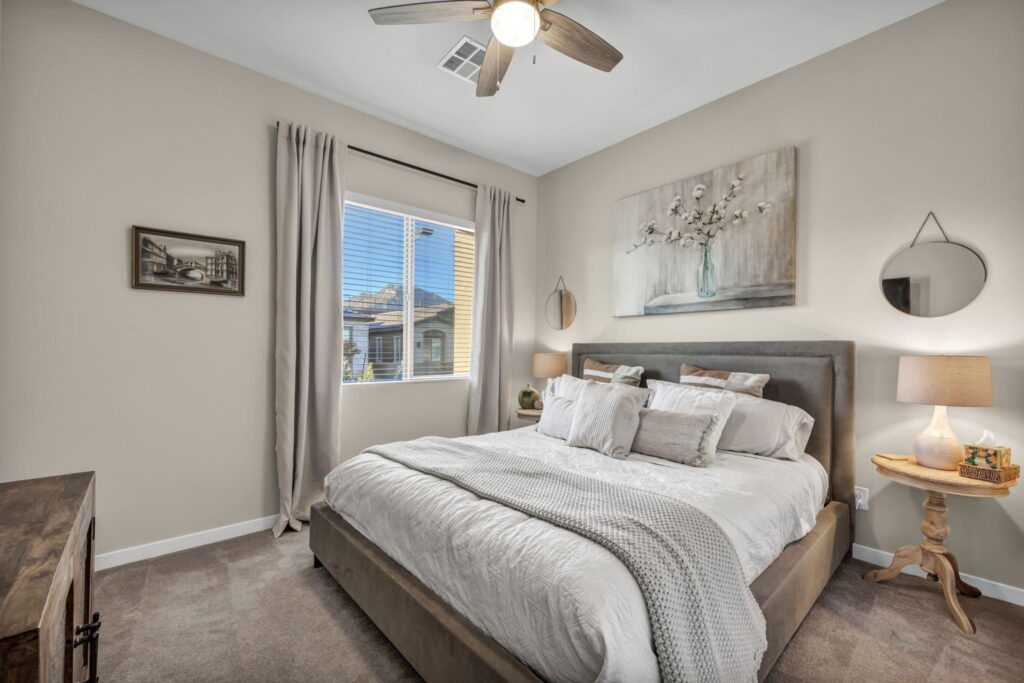
Indoor preparation supports winter real estate photography just as much as the outdoor forecast. Begin with the rooms that explain daily life: the living room, kitchen, primary bedroom, and any flexible workspace.
Remove coats from chairs, clear counters, and put away shoes near the entrance. Open suitable window coverings and check visible light fixtures. Keep the home comfortably prepared for the appointment, and tell TourDSpace about lighting controls or rooms that need special access.
Use a restrained seasonal arrangement: a folded throw, a simple cushion, or a tidy reading corner. Large holiday displays can hide room features and make photos feel dated later. If a fireplace is a selling point, discuss how to photograph it; do not imply that an unverified or nonworking feature is operational.
Winter Real Estate Photography Ideas for Different Homes
The most useful winter real estate photography ideas come from the property’s layout. A downtown condo needs a different image sequence from a detached house with a large yard. Build the brief around the questions buyers will ask.
For a condo, emphasize living space, window views, storage, and the connection to any balcony. For a detached home, show the approach, main rooms, garage relationship, and accessible outdoor areas. A small home benefits from a clear explanation of circulation more than repeated photographs of the same corner.
Give TourDSpace three features you want buyers to remember. That focused brief supports winter real estate photography with a purpose and helps avoid an unfocused gallery full of near-duplicate images.
Add Twilight Images Where They Help the Listing
Twilight can work well when exterior lighting, windows, and architecture create an inviting composition. It is particularly useful when the home has a strong evening appearance that daytime photographs cannot fully communicate.
Consider Twilight Photography as an addition to daytime coverage. Ask TourDSpace whether you are discussing an on-site twilight session or a digitally created twilight image, and confirm what the chosen service includes.
For a fuller comparison, read Are Twilight Photos Worth It?. In winter real estate photography, an atmospheric evening image should complement clear daytime views of the entrance and exterior features.
Use Drone Photography to Explain the Setting
Aerial photographs are most useful when they answer a location or layout question. They can show the building’s relationship to outdoor space or the surrounding setting in ways that ground-level photographs cannot.
Ask about Drone Photography when planning winter real estate photography with TourDSpace. Confirm feasibility for the address and conditions rather than assuming aerial coverage will happen on the same day as indoor photography.
Keep expectations specific. Do you need to show a large yard, an unusual building arrangement, or nearby surroundings? Avoid treating aerial photographs as proof of exact boundaries or adding a distant mountain backdrop that is not the property’s actual view.
Support Winter Listing Photos With Tours and Floor Plans
Still images introduce a home, but they do not always explain how one room connects to another. During winter, a more complete online presentation can help buyers evaluate a property before arranging an in-person visit.
Pair winter real estate photography with 3D Virtual Tours when viewers need to explore the interior at their own pace. Discuss scan preparation with TourDSpace because adjoining spaces need to be ready together.
The article How Long Does a Matterport Scan Take? can help you plan access around the appointment. For budgeting, review How Much Does a Matterport Tour Cost? and confirm the quote for your property.
Add Floor Plans when the layout needs a simple visual reference. Ask TourDSpace what measurement information is included and how the delivered plan should be used.
Choose Video or Virtual Staging for a Specific Need
A walkthrough-style video can connect rooms and outdoor spaces into a viewing sequence. Explore Real Estate Videography if you want moving footage for the property page or social promotion. Tell TourDSpace where you intend to publish it so format and framing can be discussed beforehand.
Vacant rooms present a different challenge. Virtual Staging can illustrate a possible furniture arrangement, helping viewers understand how an empty room might function.
Keep original photographs available and identify digitally furnished images clearly. Virtual furniture should not hide damage, change permanent features, or block important parts of the room. Used thoughtfully, these additions support winter real estate photography by answering questions that individual still images leave open.
Build a Weather Backup Plan Before Shoot Day
Agree on what happens if the outdoor conditions change. TourDSpace should have the access information, decision-maker’s contact details, and a clear list of requested deliverables before the appointment.
A practical winter real estate photography plan can separate essential interior coverage from exterior work that depends on suitable conditions. Confirm any rescheduling costs, return-visit arrangements, and delivery expectations in advance. Do not assume a second appointment is automatically included.
For cold-weather exterior images, prioritize visibility and access. If a storm obscures the building or unsafe surfaces prevent useful viewpoints, discuss a revised schedule. If only the sky looks flat, the appointment may still produce clear, informative photographs.
Arrange the Gallery Around the Buyer’s Questions
Select a lead photograph that communicates the home’s strongest relevant feature at thumbnail size. Then move through the property in an order a buyer can follow: arrival, main living spaces, kitchen, bedrooms, additional rooms, and outdoor areas.
Before publishing winter real estate photography, check for repeated angles, inconsistent colors, and missing spaces. Ask whether a viewer can understand how the home works without reading a long explanation. TourDSpace’s real estate photography services provide a starting point for discussing the coverage your listing needs.
If the property remains available into a different season, review the gallery again. Updated exteriors may be useful when landscaping, weather, or the property’s condition has materially changed.
Plan Your Property Media With TourDSpace
TourDSpace Productions is a Nevada-based photography and videography company serving Denver, Colorado; Cleveland, Ohio; Reno–Tahoe, Nevada; Las Vegas, Nevada; Sacramento, California; and Pittsburgh, Pennsylvania.
Winter preparation should reflect each property’s conditions. A snowy Denver listing and a Las Vegas home with bare landscaping do not need the same exterior brief. TourDSpace clients should share the address, property type, launch date, and requested services when checking availability.
The Las Vegas office is located at 10175 Spring Mountain Road #1038, Las Vegas, NV 89117. For a Denver project, use the local service page to discuss the shoot rather than treating the Nevada office address as a Colorado location.
Give Your Denver Listing a Clear Winter Presentation
Successful winter real estate photography brings together preparation, appropriate light, accurate editing, and a gallery that explains the property. Start with the home’s strongest features, then choose supporting media that helps buyers understand the space.
Contact TourDSpace with your Denver address and intended listing date to discuss photography, video, and virtual tour options. A clear brief and an agreed weather plan make it easier to prepare the home and launch a consistent presentation.
Frequently Asked Questions
What is the best time of day for winter real estate photography?
The best time depends on the home’s orientation, surrounding shade, and priority rooms. Morning or afternoon may work better for different facades. Share the address and key features with your photographer before choosing a time solely because it is convenient.
Should snow be removed before taking winter listing photos?
Clear entrances and necessary access routes, and remove distracting piles where practical. You do not need to strip the entire yard of snow. The aim is to show the building and usable spaces clearly while keeping the property recognizable in its current condition.
Can you photograph a Denver home on a cloudy winter day?
Yes. Overcast conditions can provide even light that works well for some properties. Heavy precipitation, poor visibility, and unsafe access are more significant concerns than a gray sky alone. Ask TourDSpace whether the planned exterior views are achievable in the forecast conditions.
Can summer photos be included in a winter listing?
Yes, provided you have permission to use them and they still accurately represent the property. Identify them as earlier seasonal views and include current photographs too. Avoid older images showing features that have since changed or been removed.
How much does winter real estate photography cost in Denver?
The cost depends on property size, requested coverage, and additional media such as aerial images, video, or a virtual tour. Request a current TourDSpace quote and confirm preparation requirements, delivery timing, and any separate exterior return-visit charges before booking.