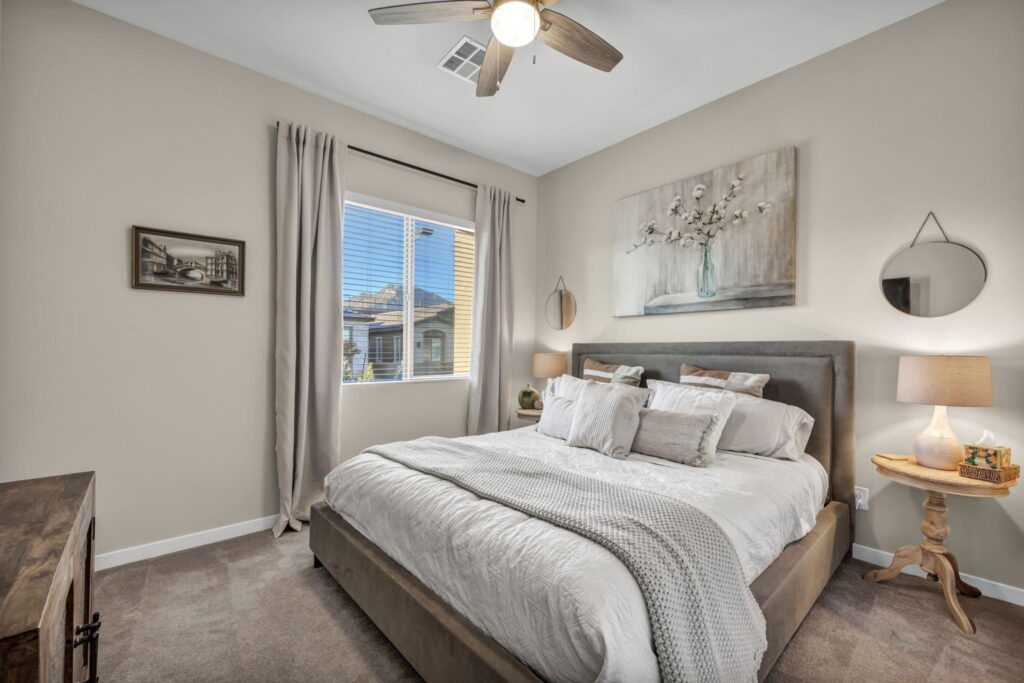
Real Estate Photography with Virtual Staging: Complete Guide for Sellers and Agents
Real Estate Photography with Virtual Staging is changing how homeowners, real estate agents, and property investors present properties to potential buyers. Professional photographs capture the actual condition, lighting, architecture, and layout of a home, while virtual staging adds realistic digital furniture to help buyers imagine how empty rooms could function.
When these techniques work together, even an unfurnished property can be presented with greater visual context without physically bringing furniture into the home.
For sellers preparing listings in Las Vegas, Reno–Tahoe, Cleveland, Sacramento, Pittsburgh, or Denver, combining professional property photography with thoughtfully designed virtual staging can create a more informative online presentation.
At TourDSpace Productions, we provide real estate photography and visual marketing services designed to help agents showcase properties accurately and effectively.
This guide explains how Real Estate Photography with Virtual Staging works, its benefits, photography techniques, typical costs, and best practices for creating listing images buyers can understand and trust.
What Is Real Estate Photography with Virtual Staging?
Real Estate Photography with Virtual Staging combines professional property photographs with digitally created furniture and decorative elements.
The process begins with photographing a home in its existing condition. After the original images have been professionally edited, selected photographs are enhanced with virtual furnishings that demonstrate possible room arrangements.
For example, an empty living room can be transformed into a visual concept featuring a sofa, coffee table, artwork, and lighting accessories.
The original room dimensions, windows, flooring, and architectural details should remain unchanged.
This approach is particularly useful for newly constructed homes, vacant properties, investment properties, and homes where owners have already moved out.
Unlike traditional home staging, virtual staging does not require transporting furniture, hiring movers, or physically decorating every room.
However, high-quality results depend on the original photographs. Poor lighting, distorted angles, or low-resolution images can make digital furniture appear artificial.
That’s why professional Real Estate Photography is an important foundation for creating realistic virtually staged property images.
Why Combine Real Estate Photography with Virtual Staging?
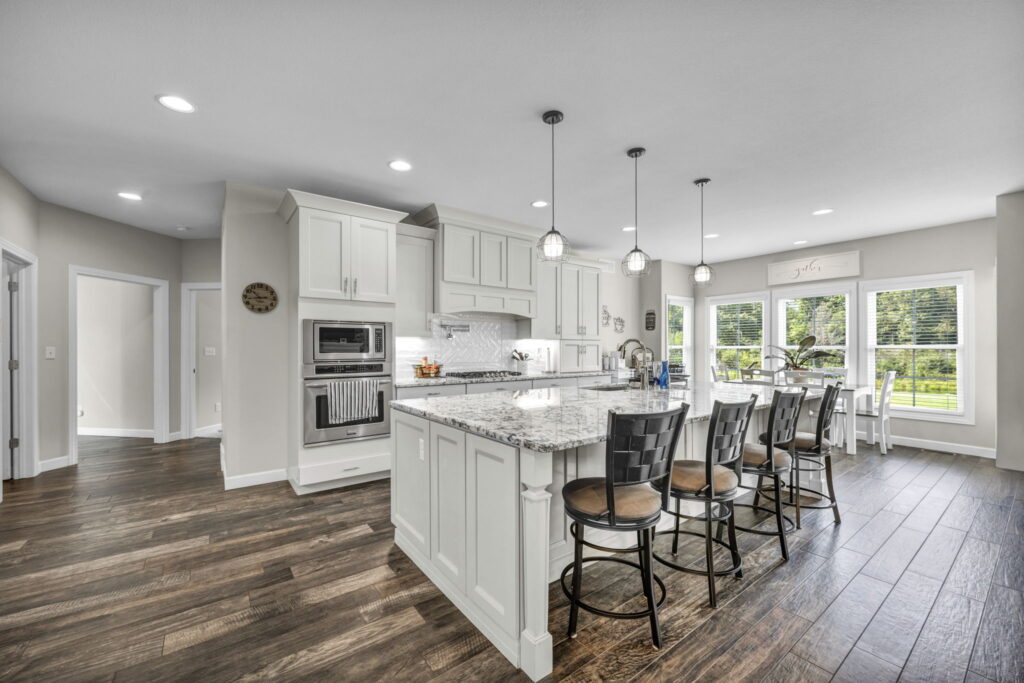
Real estate buyers often begin evaluating properties through online listing photographs. These images introduce the home and help buyers decide whether they want more information or an in-person showing.
Although empty homes provide an unobstructed view of architectural features, they can also make it difficult to judge furniture placement, room proportions, and functionality.
Combining photography with virtual staging addresses these challenges while keeping the original photographs available.
Help Buyers Visualize Room Functionality
One of the biggest challenges with empty room photography is explaining how a space can be used.
A large open-concept room might include separate dining and living areas, but without furniture, buyers may not immediately understand where each functional area begins.
Virtual staging can introduce realistic furniture arrangements that illustrate one possible configuration.
For example, an open living space can be virtually furnished with a seating arrangement and dining table while maintaining clear pathways and realistic proportions.
Create More Engaging Property Listing Photos
Professional real estate listing photos should communicate more than the physical appearance of rooms.
They should also help buyers understand architectural features, available space, and possible uses.
Virtual staging can add visual context to selected images, making unfurnished rooms easier to interpret.
The result is a gallery that combines accurate original photographs with clearly labeled furnishing concepts.
Reduce the Need for Physical Furniture
Traditional staging can involve renting furniture, arranging deliveries, and coordinating installation.
Virtual staging avoids these physical requirements.
This makes it a practical option for vacant listings, properties undergoing ownership transitions, and newly completed homes.
Agents can decide which photographs would benefit most from digital furnishings rather than staging an entire property.
For examples of furnishing concepts, explore TourDSpace’s Virtual Staging Services.
How Real Estate Photography with Virtual Staging Works: Step by Step
Understanding the workflow helps real estate professionals plan photography appointments, choose suitable rooms, and avoid unnecessary revisions.
The process usually includes six main stages.
Step 1: Prepare the Property for Photography
Before photographing a property, ensure that the home is clean, accessible, and ready to be presented.
Even if furniture will be added digitally, the original property should look professional.
Important preparation tasks include:
- Cleaning floors, windows, countertops, and reflective surfaces.
- Removing trash, personal belongings, and unnecessary objects.
- Opening blinds and curtains to improve natural lighting.
- Replacing nonworking light bulbs.
- Checking for visible maintenance issues.
- Ensuring that doors and windows are accessible.
- Removing items that obstruct important architectural features.
Virtual staging cannot replace necessary cleaning or repairs.
A digitally furnished room should accurately represent the existing property.
For a more detailed preparation process, read our Real Estate Photography Checklist for Sellers and Agents.
Step 2: Capture Professional Interior Photographs
Successful virtual staging begins with properly composed images.
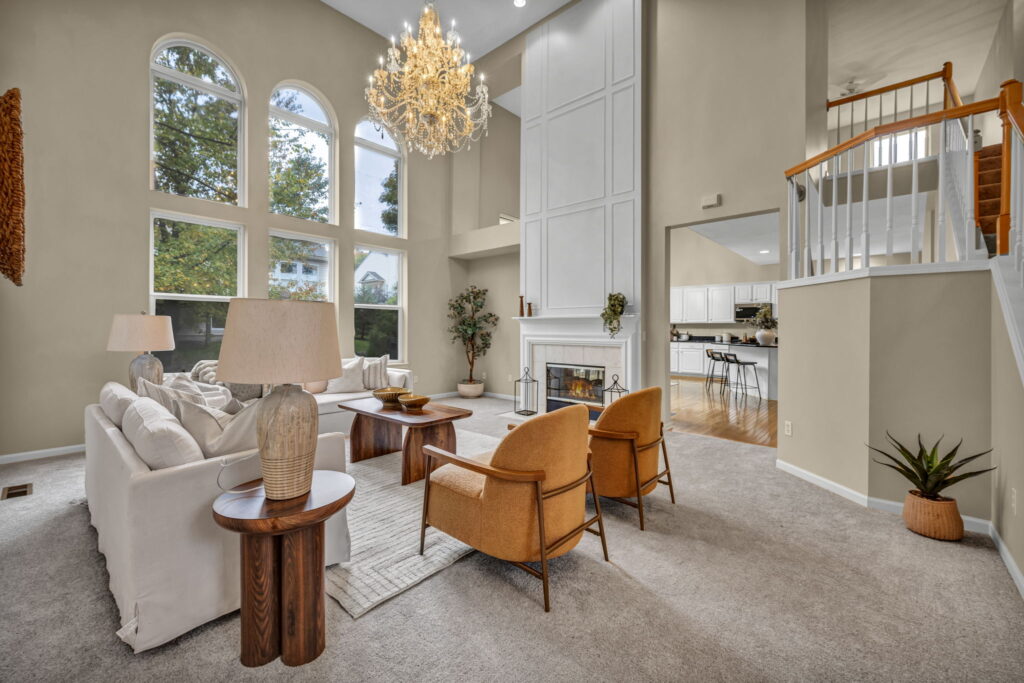
Photographers should capture rooms using camera angles that communicate actual dimensions and architectural relationships.
For many interiors, a wide-angle lens helps capture more of the room without requiring multiple disconnected photographs.
However, excessively wide focal lengths can distort walls and exaggerate room size.
Professional photographers also pay attention to:
- Camera height and perspective.
- Straight vertical lines.
- Natural light and interior brightness.
- Window exposure.
- Color accuracy.
- Room proportions.
- Architectural features.
Using a tripod can improve consistency across multiple images.
When photographing empty rooms, it is also important to leave sufficient visible floor area for realistic digital furniture placement.
Step 3: Select the Best Photos for Virtual Staging
Not every property photograph needs digital furnishings.
Some images are more valuable when presented naturally, especially those showcasing architectural details, kitchens, bathrooms, or outdoor features.
Instead, choose images where furniture could help explain the room.
For most residential properties, useful candidates include living rooms, primary bedrooms, dining areas, and empty home offices.
For example, a vacant bedroom may benefit from a digitally placed bed because it provides a familiar reference for understanding how the room could function.
Photographs should be selected based on their usefulness, not simply the number of empty rooms.
To understand which areas deserve greater attention, explore our article What Rooms Matter Most in Real Estate Photography?.
Step 4: Choose Realistic Furniture and Interior Styles
Once suitable photographs are selected, the next step is developing an appropriate furnishing concept.
Furniture should complement the property’s architecture, room dimensions, and likely buyer expectations.
For example:
- Modern homes may benefit from contemporary, clean-lined furniture.
- Traditional properties may suit classic furnishings and neutral colors.
- Luxury homes may require more refined decorative elements.
- Smaller apartments may benefit from minimal furniture arrangements.
- Family-oriented homes may use comfortable, practical layouts.
Furniture size is particularly important.
Oversized digital furniture can make a room look smaller, while unrealistically small furnishings may exaggerate the available space.
The best virtual staging designs preserve believable proportions and support the original architecture.
Step 5: Apply Virtual Furniture and Edit the Images
After the design direction is chosen, digital furniture is added to the photographs.
This process can involve specialized image-editing software, 3D furniture models, AI-assisted staging tools, or a combination of techniques.
Regardless of the technology, realistic results require careful attention to perspective, shadows, lighting, and materials.
For example, a digitally placed sofa should reflect the original room’s lighting direction and sit naturally on the floor.
Shadows should be consistent with the available light, and furniture edges should not overlap walls or doorways incorrectly.
Final editing should also maintain realistic colors and textures.
The objective is not to redesign the property itself but to show one possible furnishing arrangement.
Step 6: Review and Deliver Listing-Ready Images
The final stage involves reviewing the photographs for visual accuracy and consistency.
Before publishing virtually staged real estate photos, check that:
- Furniture proportions appear realistic.
- Shadows match the original lighting.
- Windows and architectural details remain accurate.
- Furniture arrangements are consistent between room views.
- No significant property defects are concealed.
- Edited images are identified as virtually staged.
- Original photographs remain available for comparison.
Agents should also check their MLS requirements and applicable advertising rules before uploading digitally modified photographs.
Providing both original and staged images helps buyers understand the property’s current condition and the proposed furnishing concept.

Which Rooms Benefit Most from Virtual Staging?
Room selection is one of the most important decisions when planning Real Estate Photography with Virtual Staging.
Although virtually staging every room is possible, selective staging often provides a clearer and more economical strategy.
Living Rooms
Living rooms frequently benefit from virtual furniture because buyers want to understand seating arrangements and how the space connects to surrounding rooms.
A sofa, coffee table, and appropriately sized chairs can create a recognizable living area without hiding architectural features.
Primary Bedrooms
Empty bedrooms can be difficult to evaluate without a bed providing context.
Digitally adding a bed and nightstands can demonstrate one potential arrangement while preserving the room’s actual dimensions.
Dining Areas
Open-plan homes sometimes lack clear visual separation between dining and living spaces.
A realistic dining table can help explain the relationship between the kitchen, dining area, and main living space.
Home Offices and Flexible Spaces
Spare rooms may have multiple potential uses.
Virtual staging can illustrate a home office, reading area, or other possible function, provided the images do not imply features or legal room classifications that the property does not have.
Rooms That May Not Need Staging
Kitchens, bathrooms, laundry rooms, and attractive architectural spaces can often be photographed effectively without additional furniture.
Their existing fixtures and finishes already communicate their purpose.
Choosing appropriate room types helps produce a consistent, useful property gallery without unnecessary visual additions.
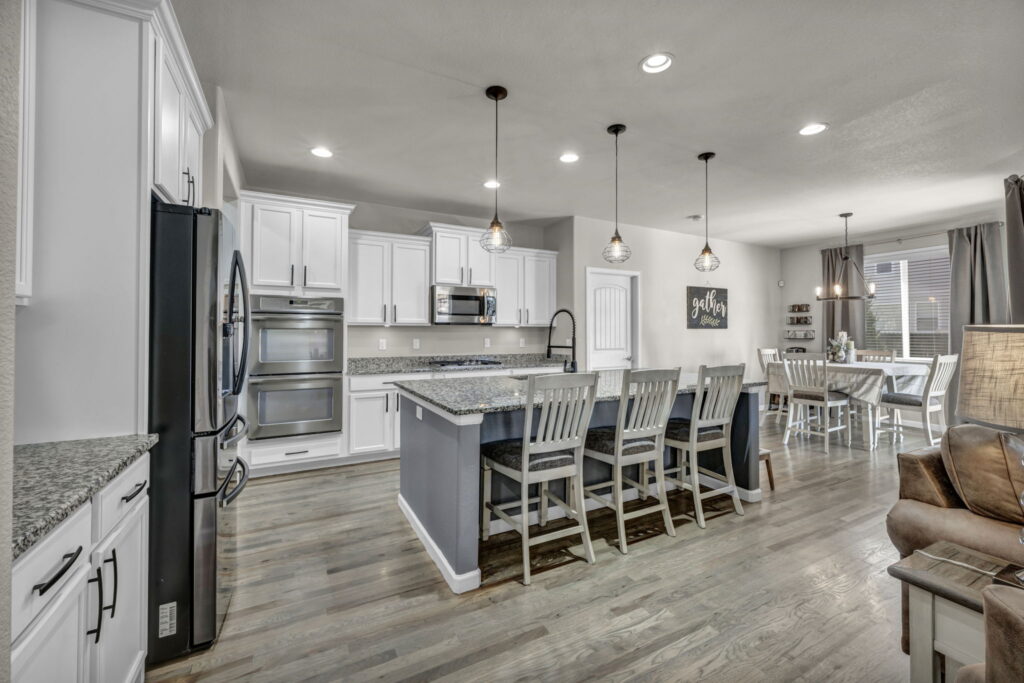
Real Estate Photography with Virtual Staging vs. Empty Property Photos
Both original and virtually staged photographs play valuable roles in property marketing.
Empty photographs show the actual condition of the property, while digitally furnished photographs illustrate potential layouts.
| Feature | Empty Property Photos | Virtually Staged Photos |
|---|---|---|
| Actual property condition | Shows the existing space | Should preserve existing property features |
| Furniture placement | Not illustrated | Demonstrates a potential arrangement |
| Room functionality | Buyers interpret it themselves | Provides visual context |
| Preparation | Cleaning and photography | Cleaning, photography, and digital editing |
| Marketing flexibility | Suitable for all rooms | Useful for selected empty spaces |
| Disclosure | Standard property photographs | Digital staging should be clearly identified |
The two formats work best together.
For example, an agent can include the original photograph of an empty living room followed by a clearly labeled staged version of the same space.
This approach allows buyers to evaluate the physical room while exploring furnishing possibilities.
How Much Does Virtual Home Staging Cost?
Virtual home staging costs vary depending on the photographer, editing provider, image complexity, furniture customization, and number of photographs.
As a general U.S. market reference, professional virtual staging commonly falls around $20–$75 per image, although budget AI-based tools may cost less and specialized premium work may cost more.
This range is an industry estimate, not a published TourDSpace price.
Several factors influence the final cost.
Number of Images
The total price often depends on how many photographs require digital staging.
For instance, virtually staging three key rooms generally involves a smaller editing scope than staging an entire multi-room property.
Complexity of the Room
Simple bedrooms may be easier to furnish digitally than large open-concept spaces requiring several coordinated furniture arrangements.
Furniture Customization
Custom furniture styles, detailed decorative elements, and luxury interior concepts may require additional editing.
Revisions and Delivery Requirements
Changes to furniture placement, colors, and decorative elements can affect the cost and production process.
Before ordering, confirm the number of images, preferred furniture styles, included revisions, delivery requirements, and final price.
For a property-specific quote, contact TourDSpace through its Virtual Staging Services page.
How to Stage Your House for Real Estate Photos
Preparing a property properly is important whether you plan to use physical staging, virtual staging, or both.
A clean, well-presented property produces a stronger foundation for professional real estate photography.
Start by removing clutter from kitchens, bathrooms, bedrooms, and living areas.
Personal photographs, excessive decorations, and unnecessary objects can distract from the property itself.
Next, arrange any existing furniture to improve movement and highlight the room’s main features.
Make sure windows are clean, curtains are open, and lighting fixtures function correctly.
In vacant properties, remove leftover furniture, construction supplies, and storage items that could interfere with photography.
Pay particular attention to walls, flooring, countertops, and baseboards because imperfections are more noticeable when rooms are empty.
Finally, prepare the home’s exterior by tidying landscaping, clearing walkways, and removing unnecessary vehicles or equipment.
For detailed preparation recommendations, read our guide on How to Prepare a Home for Real Estate Photography.
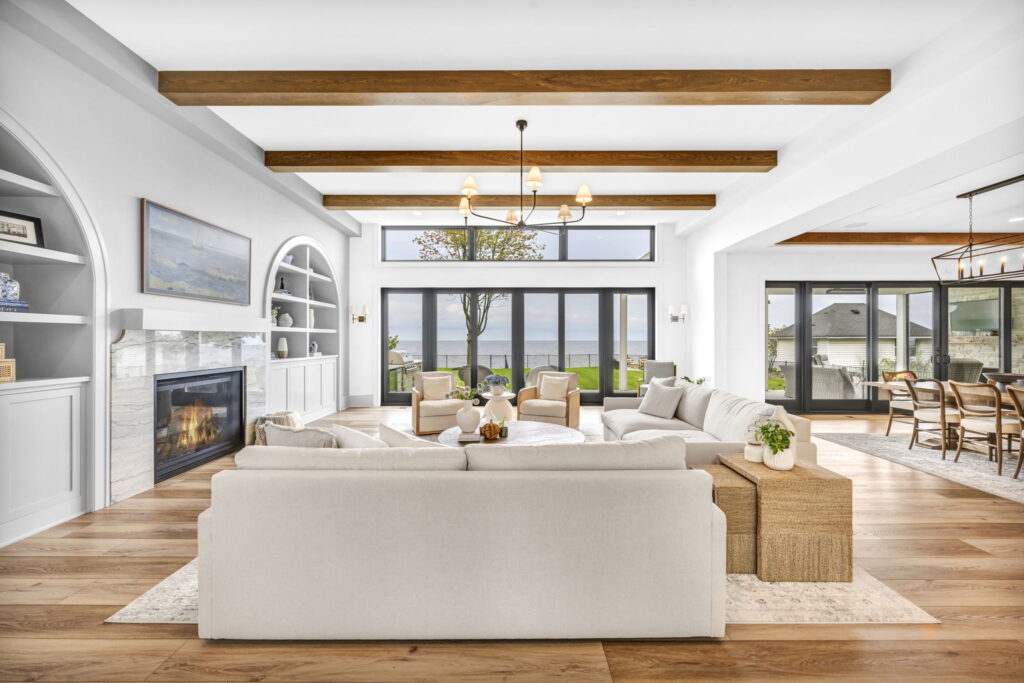
Combine Virtual Staging with Other Real Estate Marketing Services
Real Estate Photography with Virtual Staging becomes even more useful when integrated into a complete property marketing strategy.
Different visual formats provide information that still photographs alone cannot fully communicate.
Real Estate Videography
While staged photographs illustrate potential furniture arrangements, video helps buyers understand movement between rooms and the overall flow of the property.
Professional Real Estate Videography can showcase entrances, hallways, living areas, and connections between indoor and outdoor spaces.
Drone Photography
For homes with large lots, distinctive architecture, or appealing surroundings, aerial photographs can provide useful context.
Professional Drone Photography can highlight property boundaries, exterior features, and the surrounding environment where permitted.
3D Virtual Tours
A virtually staged photograph shows one selected view, while an interactive tour allows prospective buyers to explore a property’s layout remotely.
Professional 3D Virtual Tours can complement photographs by helping viewers understand room connections and spatial relationships.
Real Estate Floor Plans
Floor plans provide additional information about room arrangements and property layout.
They are particularly helpful when virtually staged images illustrate possible furniture placement but buyers still need to understand the underlying structure.
Accurate Real Estate Floor Plans complement photography and help buyers assess whether the home suits their needs.
Twilight Photography
Some homes feature architectural lighting, attractive outdoor spaces, or exterior details that photograph particularly well around dusk.
Professional Twilight Photography can create a distinctive exterior presentation that complements daytime interior photographs.
When combined strategically, these services create a more comprehensive property listing experience.
Real Estate Photography with Virtual Staging Across TourDSpace Service Areas
TourDSpace Productions is a Nevada-based photography and videography production company serving real estate professionals across several U.S. markets.
Different locations present their own architectural styles, property characteristics, and photography requirements.
Las Vegas, Nevada
Las Vegas real estate photography often involves bright natural light, contemporary architecture, and homes with spacious living areas.
Virtual staging can help explain the functionality of unfurnished living rooms, primary bedrooms, and open-concept interiors.
For more location-specific information, read our article Virtual Staging for Las Vegas Real Estate: A Smart Marketing Tool.
Reno–Tahoe, Nevada
Reno–Tahoe properties may feature scenic views, natural materials, mountain-inspired architecture, and unique interior arrangements.
Professional photography should accurately capture these details before furniture is digitally introduced.
Virtual staging can help illustrate practical layouts while preserving the property’s natural character.
Cleveland, Ohio
Cleveland offers a variety of property styles, including historic homes, renovated residences, and modern developments.
Digital staging can help buyers evaluate empty bedrooms, living spaces, and flexible rooms without requiring physical furniture installation.
Explore our local guide to Virtual Staging for Cleveland Real Estate Listings for more details.
Sacramento, California
Sacramento properties can include suburban family residences, investment homes, and newly constructed developments.
Combining professional photography with realistic virtual staging can help demonstrate potential furniture arrangements while maintaining accurate room proportions.
Pittsburgh, Pennsylvania
Pittsburgh’s housing market includes properties with varied layouts, multiple levels, and distinctive architectural features.
Photographs, virtual staging, and floor plans can work together to help buyers understand how these spaces may function.
Denver, Colorado
Denver properties may feature open-concept interiors, contemporary finishes, and attractive natural views.
Real estate photography should preserve accurate lighting, scenery, and room dimensions.
Virtual staging can introduce suitable furnishings without distracting from the home’s existing architectural qualities.
Across these markets, the objective remains the same: provide accurate, appealing property imagery that supports buyers as they explore listings.
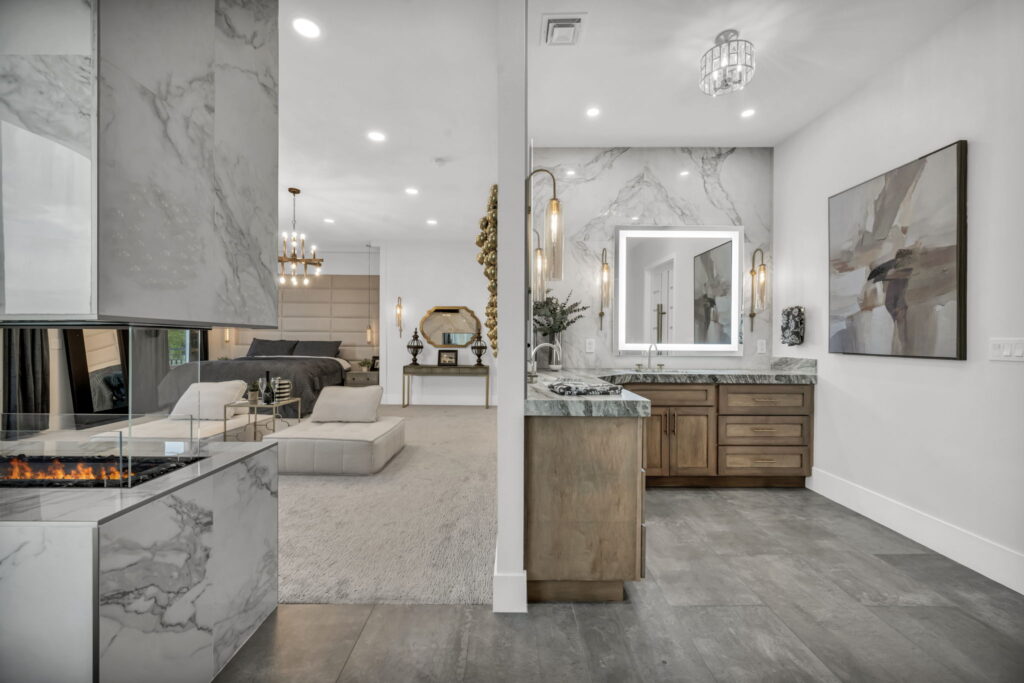
Common Mistakes to Avoid in Virtual Staging Real Estate Photos
Digital staging can improve how a property is presented, but unrealistic editing may create confusion or reduce trust.
Avoid these common mistakes.
Using Furniture That Does Not Match Room Dimensions
Furniture should be appropriately scaled to the room.
Oversized or miniature items can make photographs appear unrealistic and mislead buyers about available space.
Ignoring Natural Lighting
Digital furniture should reflect the original photograph’s lighting conditions.
Incorrect shadows or brightness differences can immediately reveal unnatural editing.
Using Different Furniture Layouts Across Images
If the same room appears in several listing photographs, furniture arrangements should remain consistent.
Conflicting layouts can confuse prospective buyers.
Changing Permanent Property Features
Virtual staging should not misrepresent room size, remove significant defects, or suggest that nonexistent windows, walls, or fixtures are present.
Keep furnishing concepts separate from actual renovation work.
Failing to Label Digitally Staged Images
Buyers should understand when furniture has been added digitally.
Use clear labels and follow applicable MLS requirements and advertising regulations.
Transparent presentation builds realistic expectations before in-person property showings.
Is Real Estate Photography with Virtual Staging Worth It?
For vacant homes and properties with difficult-to-interpret spaces, Real Estate Photography with Virtual Staging can be a useful part of the listing strategy.
The main benefit is the ability to combine accurate photographs with illustrative furnishing concepts.
Professional photography documents the property’s existing condition, while virtual staging demonstrates how selected rooms might be arranged.
This approach can help agents create a more informative listing gallery without physically furnishing every room.
However, virtual staging does not guarantee a faster sale, additional offers, or a higher selling price.
Outcomes depend on many factors, including location, pricing, property condition, buyer demand, and the broader marketing strategy.
The strongest approach is to use realistic digital staging selectively, preserve accurate original photographs, and communicate clearly with prospective buyers.
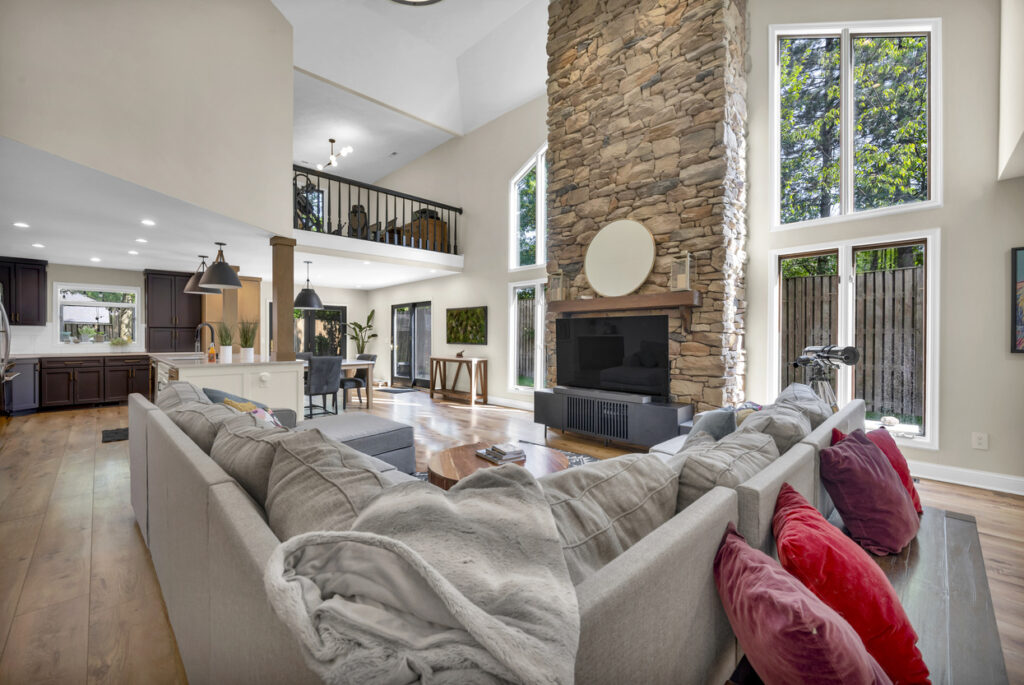
Frequently Asked Questions About Real Estate Photography with Virtual Staging
1. What is virtual staging in real estate?
Virtual staging is the process of adding digitally created furniture and decorative elements to photographs of an existing property. It helps potential buyers visualize possible room arrangements without physically installing furniture. The original property features should remain accurate.
2. How much does virtual home staging cost?
Virtual home staging commonly costs approximately $20–$75 per professionally staged image in the U.S. market, depending on design complexity, provider, and customization. Budget automated solutions may cost less. Contact your photography provider for an accurate project quote.
3. How to stage your house for real estate photos?
Start by cleaning every room, decluttering countertops, opening curtains, checking lighting fixtures, and removing distracting personal belongings. Arrange existing furniture to highlight room functionality. For vacant homes, prepare clean and unobstructed spaces for professional photography before adding virtual furnishings.
4. What is the difference between virtual staging and real estate photography?
Real estate photography captures images of the actual property. Virtual staging digitally adds furniture or decorations to selected photographs. Photography provides the visual foundation, while staging illustrates potential furniture arrangements.
5. Can you virtually stage photos of an empty house?
Yes. Empty homes are among the most suitable properties for virtual staging because furniture can be added digitally without having to work around existing furnishings. The best results begin with clear, professionally captured photographs.
6. Does virtual staging help sell homes faster?
Virtual staging may help prospective buyers understand empty spaces and evaluate possible furniture layouts. However, it does not guarantee faster sales. Property pricing, market conditions, location, and overall presentation also influence outcomes.
7. Should virtually staged photos be labeled?
Yes. Digitally furnished photographs should be clearly identified as virtually staged. Real estate professionals should also follow their MLS policies, applicable advertising rules, and brokerage requirements. Keeping original photographs available supports transparency.
8. Which rooms should be virtually staged first?
Living rooms, primary bedrooms, dining areas, and empty home offices are often useful starting points. Prioritize rooms where furniture would help buyers understand scale, function, and potential arrangements.
9. Can virtual staging replace professional real estate photography?
No. Virtual staging depends on accurate, well-composed source images. Professional photography provides the lighting, perspective, detail, and visual quality needed for realistic digital furnishings.
10. Is Real Estate Photography with Virtual Staging suitable for luxury homes?
Yes. Luxury properties can benefit from thoughtfully designed virtual furniture that complements their architectural style and room dimensions. High-quality photography and realistic editing are especially important for preserving a professional presentation.
11. Can real estate agents use virtual staging for online listings?
Yes, subject to applicable MLS rules, advertising requirements, and appropriate disclosure. Agents should label digitally staged images and avoid alterations that misrepresent the property’s actual condition.
12. Can virtual staging be combined with 3D tours and property videos?
Yes. Virtual staging can complement property videos, interactive tours, and floor plans. Each format serves a different purpose, helping prospective buyers explore room appearance, layout, and spatial relationships.
Professional Real Estate Photography with Virtual Staging by TourDSpace Productions
Real Estate Photography with Virtual Staging is an effective way to combine accurate property imagery with realistic ideas for furnishing empty spaces.
Whether you’re marketing a vacant family home, newly constructed property, investment property, or luxury residence, a well-planned visual presentation can help buyers understand the home before visiting.
TourDSpace Productions offers professional photography, videography, virtual staging, drone photography, 3D virtual tours, floor plans, and twilight photography.
Our Nevada-based company serves Las Vegas, Reno–Tahoe, Cleveland, Sacramento, Pittsburgh, and Denver, helping real estate agents and property sellers create professional visual marketing materials.
Explore our Real Estate Photography Portfolio or visit TourDSpace Productions to learn more about our property marketing services.
Las Vegas Office: 10175 Spring Mountain Road #1038, Las Vegas, NV 89117.
Ready to showcase your next property? Connect with TourDSpace Productions to discuss professional photography and virtual staging options for your listing.